Sunday, November 27, 2022

From the Archives: The High Times Guide to Gurus (1977)

By Rick Fields

Guru means teacher. A guru teaches you your own true nature, which all gurus agree cannot be expressed in words. Lao Tsu said, “Those who know don’t say.” However, that hasn’t stopped anyone from trying, including Lao Tsu.

A guru can act in many ways: as friend, mirror, guide, God or psychic martial arts master. There is also always the possibility that a guru is even crazier than thou. More than one perfect master has turned out to be a perfect con man. Only you can tell, and when dealing with the mercury of your own mind, it ain’t easy.

Gurus, like everybody else, seldom agree with each other. If they did, everything would be simpler, but less interesting. This guide is a line-up of the major-league gurus whose philosophies have become national issues. We’ve omitted a lot of one-horse, 12-apostle gurus on the assumption that people will always go to the advertised brand.

Choosing a guru is a lot like voting for president. It is an act that requires a leap of faith, not to mention Kierkegaard’s teleological suspension of the ethical. What you are about to read may shock you. Look within before you look without. Beware. And be aware.

SRI CHINMOY

Bio: Born India, 1931. Entered an ashram at 12, spent the next 20 years meditating, came to New York in 1964. Director, United Nations Meditation Group. Author, 302 books. He is also painter, composer and musician—his latest disc being “Music for Meditation” on the Folkways label.

Philosophy: Emphasizes love, devotion, meditation through the heart and surrender to the guru. Meditates with disciples once or twice a week. “I enter into each individual soul and see what the soul wants from me: peace, light, bliss. Whatever the soul wants I offer in utmost silence.”

Lifestyle: Purity and cleanliness are prerequisites for Sri Chinmoy’s student. Alcohol, cigarettes, drugs and so on, verboten. “Drug addicts, alcoholics or hippies” need not apply. Male disciples wear short hair. “It is my inner feeling,” says Sri Chinmoy, “that when men have short hair they look smarter, more handsome and more charming.” Disciples live in their own homes, but must attend center meetings, unless they have a good excuse.

Drawbacks: His poetry, for one thing. Sri Chinmoy once wrote 843 poems in 24 hours. The quality of the poetry, pious doggerel, shows it. Painting and music, ditto. Disconcerting habit of signaling his entrance into the highest level of samadhi by rolling his eyes halfway up into his skull.

Quote: “To illumine our life we need pure thoughts. Each pure thought is more precious than all the diamonds of the world, for God’s breath abides only in man’s pure thoughts.”

Access: Sri Chinmoy, P.O. Box 32433, Jamaica, N.Y. 11431.

OSCAR ICHAZO

Bio: Born 1931, La Paz, Bolivia. Experienced paralyzing cataleptic attacks at six and a half. Studied martial arts, cabala, Gurdjieff, Buddhism, Confucianism, Zen and got high with Andes Indians. In 1969 in Arica, Chile, he began instructing John Lilly, Claudio Naranjo and others in “a mixture of ashram, monastery and boot camp.”

Philosophy: Arica identifies nine “hypergnostic” systems that manifest on physical, psychological and spiritual levels. The 40-day training clarifies these systems by using “psychocalisthenics”—movement, breathing, diet, “yantras” (mandalic op-art diagrams) mantras and more. The two penultimate steps—said to lead to complete enlightenment—must be taken within the protected space of a monastery.

Lifestyle: Aricans tend to live together, usually sharing apartments or houses. When there are disagreements, or if deeper group harmony is sought, they practice “trespaso,” gazing into the left eye of your partner in order to contact essential being. If it seems that no agreement or unity is possible, a person might find his ego “reduced” (told where they are stuck in no uncertain terms) or “circulated,” asked to move on till they can get it together. Sex, eating, drugs—LSD excepted—cigarettes, alcohol and sickness are permitted most of the time. Aricans tend to live, dress and party in high style.

Drawbacks: You cannot recognize another person’s level until you are there yourself, and you can’t get there yourself without taking the training. The 40-day training—including room and board in lovely rural settings—can cost as much as $1,400.

Quote: “A human being is more than anyone believes.”

Access: Arica, 24 West 57th Street, New York, N.Y. 10019.

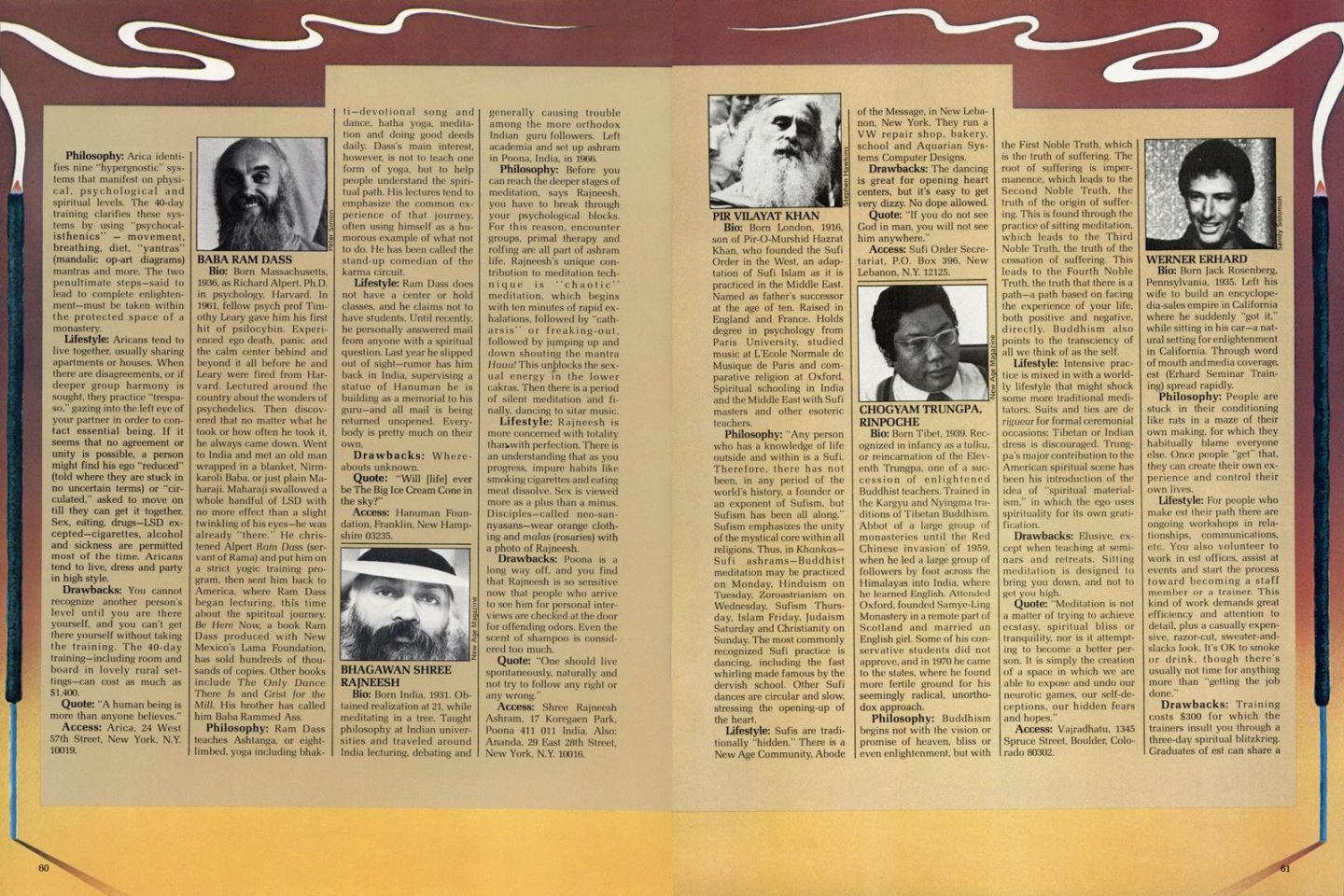
BABA RAM DASS

Bio: Born Massachusetts, 1936, as Richard Alpert. Ph.D. in psychology. Harvard. In 1961, fellow psych prof Timothy Leary gave him his first hit of psilocybin. Experienced ego death, panic and the calm center behind and beyond it all before he and Leary were fired from Harvard. Lectured around the country about the wonders of psychedelics. Then discovered that no matter what he took or how often he took it, he always came down. Went to India and met an old man wrapped in a blanket, Nirmkaroli Baba, or just plain Maharaji. Maharaji swallowed a whole handful of LSD with no more effect than a slight twinkling of his eyes—he was already “there.” He christened Alpert Ram Dass (servant of Rama) and put him on a strict yogic training program, then sent him back to America, where Ram Dass began lecturing, this time about the spiritual journey. Be Here Now, a book Ram Dass produced with New Mexico’s Lama Foundation, has sold hundreds of thousands of copies. Other books include The Only Dance There Is and Grist for the Mill. His brother has called him Baba Rammed Ass.

Philosophy: Ram Dass teaches Ashtanga, or eight-limbed, yoga including bhakti-devotional song and dance, hatha yoga, meditation and doing good deeds daily. Dass’s main interest, however, is not to teach one form of yoga, but to help people understand the spiritual path. His lectures tend to emphasize the common experience of that journey, often using himself as a humorous example of what not to do. He has been called the stand-up comedian of the karma circuit.

Lifestyle: Ram Dass does not have a center or hold classes, and he claims not to have students. Until recently, he personally answered mail from anyone with a spiritual question. Last year he slipped out of sight—rumor has him back in India, supervising a statue of Hanuman he is building as a memorial to his guru—and all mail is being returned unopened. Everybody is pretty much on their own.

Drawbacks: Whereabouts unknown.

Quote: “Will [life] ever be The Big Ice Cream Cone in the sky?”

Access: Hanuman Foundation, Franklin, New Hampshire 03235.
Courtesy of High Times

BHAGAWAN SHREE RAJNEESH

Bio: Born India, 1931. Obtained realization at 21, while meditating in a tree. Taught philosophy at Indian universities and traveled around India lecturing, debating and generally causing trouble among the more orthodox Indian guru followers. Left academia and set up ashram in Poona, India, in 1966.

Philosophy: Before you can reach the deeper stages of meditation, says Rajneesh, you have to break through your psychological blocks. For this reason, encounter groups, primal therapy and rolfing are all part of ashram life. Rajneesh’s unique contribution to meditation technique is “chaotic” meditation, which begins with ten minutes of rapid exhalations, followed by “catharsis” or freaking-out, followed by jumping up and down shouting the mantra Huuu! This unblocks the sexual energy in the lower cakras. Then there is a period of silent meditation and finally, dancing to sitar music.

Lifestyle: Rajneesh is more concerned with totality than with perfection. There is an understanding that as you progress, impure habits like smoking cigarettes and eating meat dissolve. Sex is viewed more as a plus than a minus. Disciples—called neo-sannyasans—wear orange clothing and malas (rosaries) with a photo of Rajneesh.

Drawbacks: Poona is a long way off, and you find that Rajneesh is so sensitive now that people who arrive to see him for personal interviews are checked at the door for offending odors. Even the scent of shampoo is considered too much.

Quote: “One should live spontaneously, naturally and not try to follow any right or any wrong.”

Access: Shree Rajneesh Ashram. 17 Koregaen Park, Poona 411 011 India. Also: Ananda, 29 East 28th Street, New York, N.Y. 10016.

PIR VILAYAT KHAN

Bio: Born London, 1916, son of Pir-O-Murshid Hazrat Khan, who founded the Sufi Order in the West, an adaptation of Sufi Islam as it is practiced in the Middle East. Named as father’s successor at the age of ten. Raised in England and France. Holds degree in psychology from Paris University, studied music at L’Ecole Normale de Musique de Paris and comparative religion at Oxford. Spiritual schooling in India and the Middle East with Sufi masters and other esoteric teachers.

Philosophy: “Any person who has a knowledge of life outside and within is a Sufi. Therefore, there has not been, in any period of the world’s history, a founder or an exponent of Sufism, but Sufism has been all along.” Sufism emphasizes the unity of the mystical core within all religions. Thus, in Khankas—Sufi ashrams—Buddhist meditation may be practiced on Monday, Hinduism on Tuesday, Zoroastrianism on Wednesday, Sufism Thursday, Islam Friday, Judaism Saturday and Christianity on Sunday. The most commonly recognized Sufi practice is dancing, including the fast whirling made famous by the dervish school. Other Sufi dances are circular and slow, stressing the opening-up of the heart.

Lifestyle: Sufis are traditionally “hidden.” There is a New Age Community, Abode of the Message, in New Lebanon, New York. They run a VW repair shop, bakery, school and Aquarian Systems Computer Designs.

Drawbacks: The dancing is great for opening heart centers, but it’s easy to get very dizzy. No dope allowed.

Quote: “If you do not see God in man, you will not see him anywhere.”

Access: Sufi Order Secretariat, P.O. Box 396, New Lebanon, N.Y. 12125.

CHOGYAM TRUNGPA, RINPOCHE

Bio: Born Tibet, 1939. Recognized in infancy as a tulku, or reincarnation of the Eleventh Trungpa, one of a succession of enlightened Buddhist teachers. Trained in the Kargvu and Nyingma traditions of Tibetan Buddhism. Abbot of a large group of monasteries until the Red Chinese invasion’ of 1959, when he led a large group of followers by foot across the Himalayas into India, where he learned English. Attended Oxford, founded Samye-Ling Monastery in a remote part of Scotland and married an English girl. Some of his conservative students did not approve, and in 1970 he came to the states, where he found more fertile ground for his seemingly radical, unorthodox approach.

Philosophy: Buddhism begins not with the vision or promise of heaven, bliss or even enlightenment, but with the First Noble Truth, which is the truth of suffering. The root of suffering is impermanence, which leads to the Second Noble Truth, the truth of the origin of suffering. This is found through the practice of sitting meditation, which leads to the Third Noble Truth, the truth of the cessation of suffering. This leads to the Fourth Noble Truth, the truth that there is a path—a path based on facing the experience of your life, both positive and negative, directly. Buddhism also points to the transciency of all we think of as the self.

Lifestyle: Intensive practice is mixed in with a worldly lifestyle that might shock some more traditional meditators. Suits and ties are de rigueur for formal ceremonial occasions: Tibetan or Indian dress is discouraged. Trungpa’s major contribution to the American spiritual scene has been his introduction of the idea of “spiritual materialism,” in which the ego uses spirituality for its own gratification.

Drawbacks: Elusive, except when teaching at seminars and retreats. Sitting meditation is designed to bring you down, and not to get you high.

Quote: “Meditation is not a matter of trying to achieve ecstasy, spiritual bliss or tranquility, nor is it attempting to become a better person. It is simply the creation of a space in which we are able to expose and undo our neurotic games, our self-deceptions, our hidden fears and hopes.”

Access: Vajradhatu, 1345 Spruce Street, Boulder, Colorado 80302.

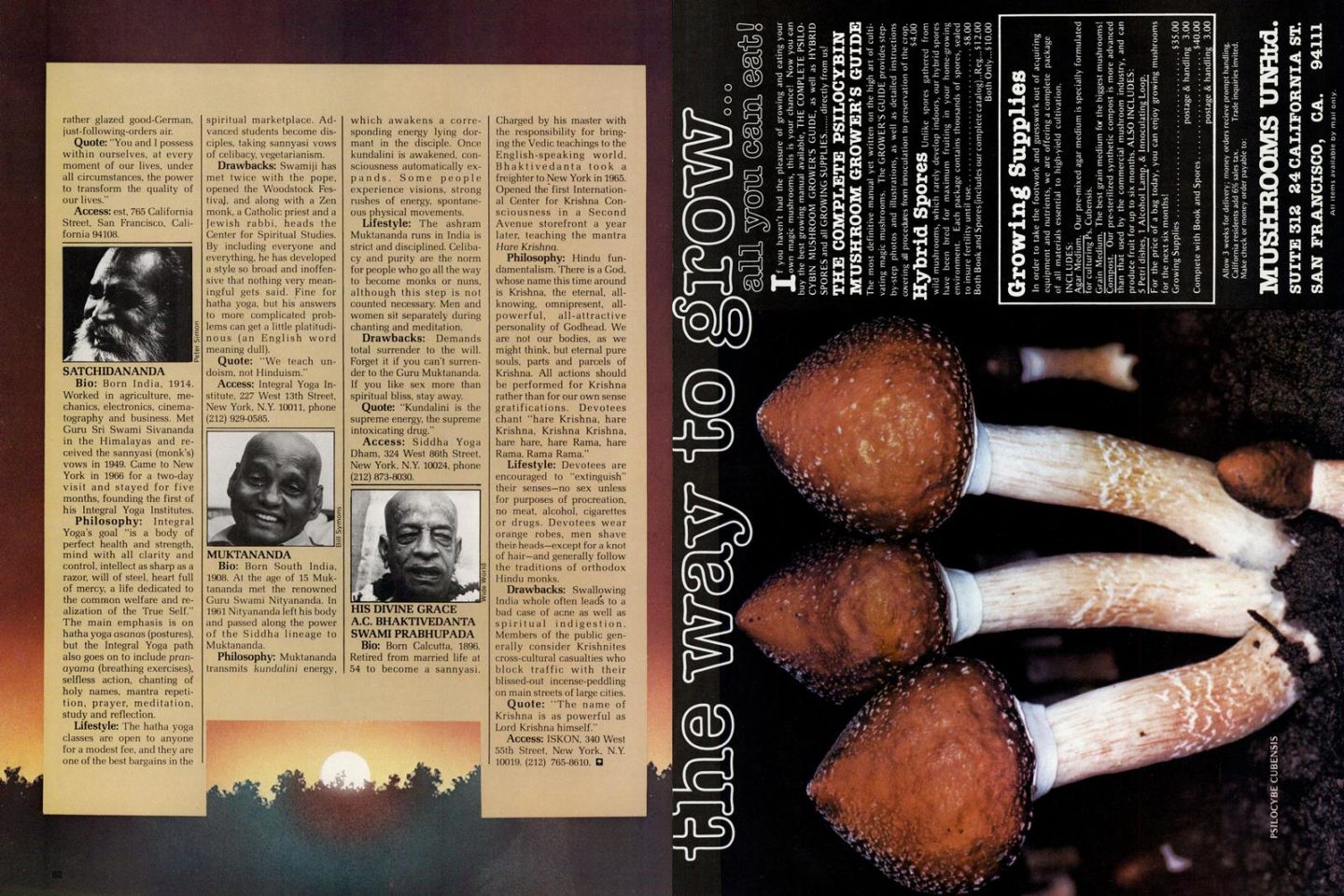
WERNER ERHARD

Bio: Born Jack Rosenberg, Pennsylvania, 1935. Left his wife to build an encyclopedia-sales empire in California where he suddenly “got it,” while sitting in his car—a natural setting for enlightenment in California. Through word of mouth and media coverage, est (Erhard Seminar Training) spread rapidly.

Philosophy: People are stuck in their conditioning like rats in a maze of their own making, for which they habitually blame everyone else. Once people “get” that, they can create their own experience and control their own lives.

Lifestyle: For people who make est their path there are ongoing workshops in relationships, communications, etc. You also volunteer to work in est offices, assist at events and start the process toward becoming a staff member or a trainer. This kind of work demands great efficiency and attention to detail, plus a casually expensive, razor-cut, sweater-and-slacks look. It’s OK to smoke or drink, though there’s usually not time for anything more than “getting the job done.”

Drawbacks: Training costs $300 for which the trainers insult you through a three-day spiritual blitzkrieg. Graduates of est can share a rather glazed good-German, just-following-orders air.

Quote: “You and I possess within ourselves, at every moment of our lives, under all circumstances, the power to transform the quality of our lives.”

Access: est, 765 California Street, San Francisco, California 94108.
Courtesy of High Times

SATCHIDANANDA

Bio: Born India, 1914. Worked in agriculture, mechanics, electronics, cinematography and business. Met Guru Sri Swami Sivananda in the Himalayas and received the sannyasi (monk’s) vows in 1949. Came to New York in 1966 for a two-day visit and stayed for five months, founding the first of his Integral Yoga Institutes.

Philosophy: Integral Yoga’s goal “is a body of perfect health and strength, mind with all clarity and control, intellect as sharp as a razor, will of steel, heart full of mercy, a life dedicated to the common welfare and realization of the True Self.” The main emphasis is on hatha yoga asanas (postures), but the Integral Yoga path also goes on to include pranayama (breathing exercises), selfless action, chanting of holy names, mantra repetition, prayer, meditation, study and reflection.

Lifestyle: The hatha yoga classes are open to anyone for a modest fee, and they are one of the best bargains in the spiritual marketplace. Advanced students become disciples, taking sannyasi vows of celibacy, vegetarianism.

Drawbacks: Swamiji has met twice with the pope, opened the Woodstock Festival, and along with a Zen monk, a Catholic priest and a Jewish rabbi, heads the Center for Spiritual Studies. By including everyone and everything, he has developed a style so broad and inoffensive that nothing very meaningful gets said. Fine for hatha yoga, but his answers to more complicated problems can get a little platitudinous (an English word meaning dull).

Quote: “We teach undoism, not Hinduism.”

Access: Integral Yoga Institute, 227 West 13th Street, New York, N.Y. 10011, phone (212) 929-0585.

MUKTANANDA

Bio: Born South India, 1908. At the age of 15 Muktananda met the renowned Guru Swami Nityananda. In 1961 Nityananda left his body and passed along the power of the Siddha lineage to Muktananda.

Philosophy: Muktananda transmits kundalini energy, which awakens a corresponding energy lying dormant in the disciple. Once kundalini is awakened, consciousness automatically expands. Some people experience visions, strong rushes of energy, spontaneous physical movements.

Lifestyle: The ashram Muktananda runs in India is strict and disciplined. Celibacy and purity are the norm for people who go all the way to become monks or nuns, although this step is not counted necessary. Men and women sit separately during chanting and meditation.

Drawbacks: Demands total surrender to the will. Forget it if you can’t surrender to the Guru Muktananda. If you like sex more than spiritual bliss, stay away.

Quote:Kundalini is the supreme energy, the supreme intoxicating drug.”

Access: Siddha Yoga Dham, 324 West 86th Street, New York, N.Y. 10024, phone (212) 873-8030.

HIS DIVINE GRACE A.C. BHAKTIVEDANTA SWAMI PRABHUPADA

Bio: Born Calcutta, 1896. Retired from married life at 54 to become a sannyasi. Charged by his master with the responsibility for bringing the Vedic teachings to the English-speaking world, Bhaktivedanta took a freighter to New York in 1965. Opened the first International Center for Krishna Consciousness in a Second Avenue storefront a year later, teaching the mantra Hare Krishna.

Philosophy: Hindu fundamentalism. There is a God, whose name this time around is Krishna, the eternal, all-knowing, omnipresent, all-powerful, all-attractive personality of Godhead. We are not our bodies, as we might think, but eternal pure souls, parts and parcels of Krishna. All actions should be performed for Krishna rather than for our own sense gratifications. Devotees chant “hare Krishna, hare Krishna, Krishna Krishna, hare hare, hare Rama, hare Rama. Rama Rama.”

Lifestyle: Devotees are encouraged to “extinguish” their senses—no sex unless for purposes of procreation, no meat, alcohol, cigarettes or drugs. Devotees wear orange robes, men shave their heads—except for a knot of hair—and generally follow the traditions of orthodox Hindu monks.

Drawbacks: Swallowing India whole often leads to a bad case of acne as well as spiritual indigestion. Members of the public generally consider Krishnites cross-cultural casualties who block traffic with their blissed-out incense-peddling on main streets of large cities.

Quote: “The name of Krishna is as powerful as Lord Krishna himself.”

Access: ISKON, 340 West 55th Street, New York, N.Y. 10019. (212) 765-8610.
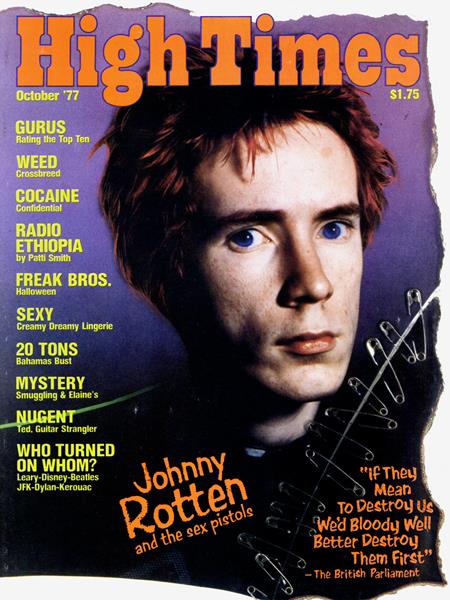
High Times Magazine, October 1977

Read the full issue here.

The post From the Archives: The High Times Guide to Gurus (1977) appeared first on High Times.


source https://hightimes.com/culture/from-the-archives-the-high-times-guide-to-gurus-1977/?utm_source=rss&utm_medium=rss&utm_campaign=from-the-archives-the-high-times-guide-to-gurus-1977


Saturday, November 26, 2022

The Struggle of NYC’s Weed Bus Pioneer

This article was originally published on Cash Only. Sign up for the newsletter here and follow Cash Only on YouTube, Instagram and Twitter.

Last month, Cash Only linked up with the founder of Uncle Budd’s Bud Bus to learn what it’s like to run a mobile marijuana dispensary in NYC, and the story immediately became more complex than we anticipated. 

As we’ve noted before, weed is now legal in New York, but a regulated retail system is still a work in progress. So technically no one is allowed to sell weed for the time being. 

But since the NYPD is mostly embracing a policy of non-interference, savvy entrepreneurs are taking advantage of this purgatorial moment and setting up a variety of semi-legal cannabis businesses. These include brick-and-mortar pot shops and cannabis speakeasies, as well as weed buses that post up in areas with heavy foot traffic and sell kush out their windows like Marijuana Mister Softee trucks. 

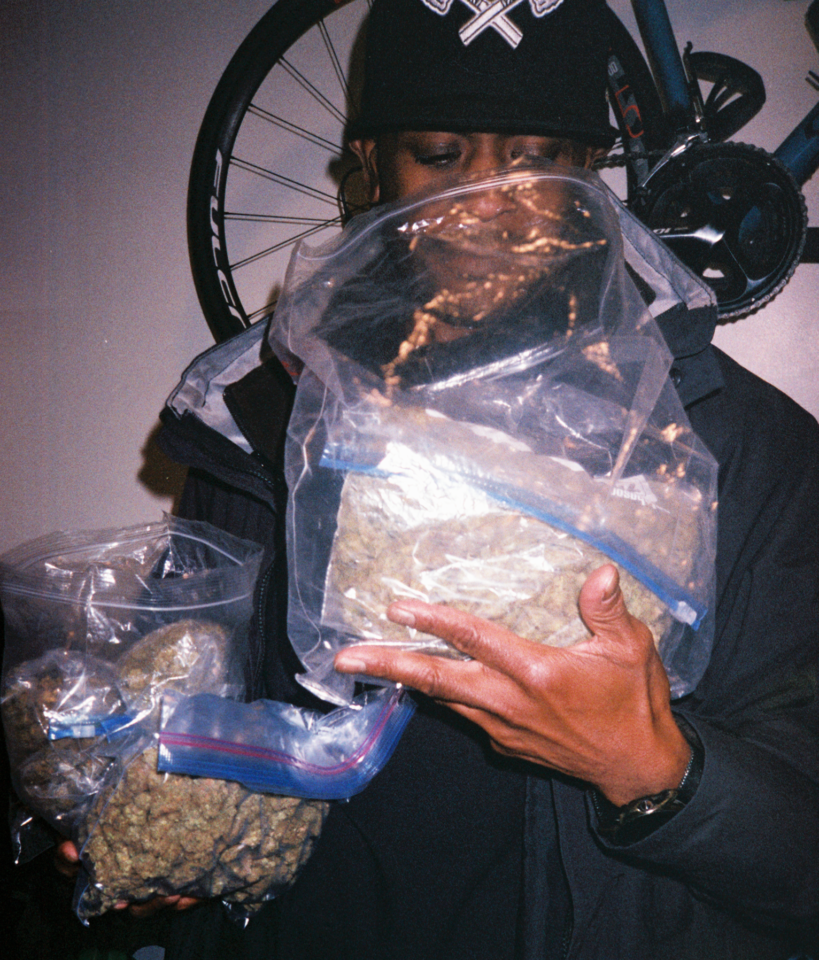
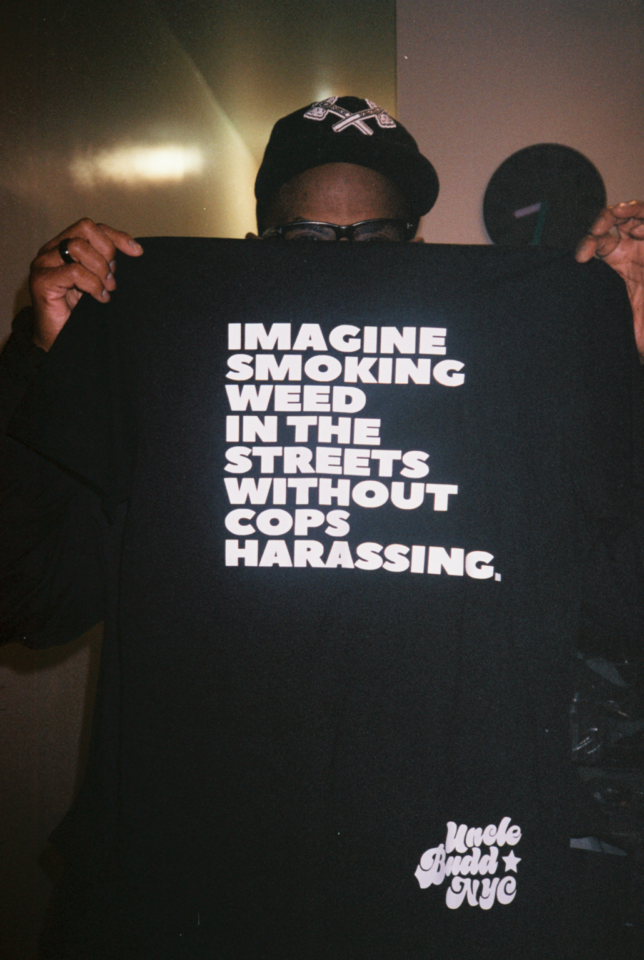
Uncle Budd is arguably the pioneer of this gray market model, embracing a legal loophole by gifting weed (not selling it) in exchange for a donation. At the height of his operation, he oversaw a dozen weed buses, and you could find these de facto mobile dispensaries in SoHo, Harlem, Midtown, and several other neighborhoods. They were hard to miss with their flashing LED signs and unapologetic weed imagery plastered on the sides of the massive cars. 

Courtesy of Cash Only

Then, in early September, nearly two dozen weed buses (including Uncle Budd’s fleet, as well as competitors) were towed by the New York City Sheriff’s office, and it supposedly had nothing to do with the wares they kept onboard. 

“There’s an issue with the selling of products people are not licensed to sell,” an NYC Deputy Sheriff told NBC. “That is an issue, but the main concern today is what’s happening on the streets,” meaning registration and parking violations.

All the buses were returned within days of being confiscated… except Uncle Budd’s Bud Bus. Over two months later, 11 of their buses are still impounded. They got one back after paying $5,000 in fees, but its electrical system is no longer functional (and it was working fine prior to being confiscated).

We wanted to get some insight into why Uncle Budd’s competitors got their buses back while his were still being held by the city. So Cash Only linked with the impresario in Harlem and visited one of his office-traps to chop it up.

Then, while getting some background details, we noticed framed lyrics on the wall and asked Uncle Budd what the deal was. It turns out he was incarcerated for 21 years, and the lyrics were from the Staind song “Outside,” which Uncle Budd said kept him from losing his spirit while locked up.

The future remains uncertain for Uncle Budd, but the man is passionate, experienced, and deeply connected to Harlem. We also think it’s questionable (to put it lightly) that a victim of the War on Drugs, as well as a person of color, isn’t being given a leg up in New York’s impending recreational cannabis retail market. And furthermore, why haven’t the Uncle Budd Bud Buses been returned while his competitors who ripped his model got theirs back?

The Uncle Budd story is still playing out, and we’ll be filming follow-up interviews with him in the coming months. Stay tuned for more.

Photo by Zach Sokol
Photo by Zach Sokol

Visit Uncle Budd’s Website Here.

Follow Cash Only:
YouTube
Newsletter
Instagram
Twitter

The post The Struggle of NYC’s Weed Bus Pioneer appeared first on High Times.


source https://hightimes.com/cash-only/the-struggle-of-nycs-weed-bus-pioneer/?utm_source=rss&utm_medium=rss&utm_campaign=the-struggle-of-nycs-weed-bus-pioneer

Friday, November 25, 2022

Justin Kreutzmann on Music, Film, and a Lifestyle Inspired by The Grateful Dead

Halloween has recently passed and director Justin Kreutzmann has just trick-or-treated with his children. It’s the kind of father/kid bonding time that most children long for and enjoy. In the case of Kreutzmann, he’s simply passing along the gift of showing up as a father to his kids in the way his father provided fatherhood to him: By having fun.

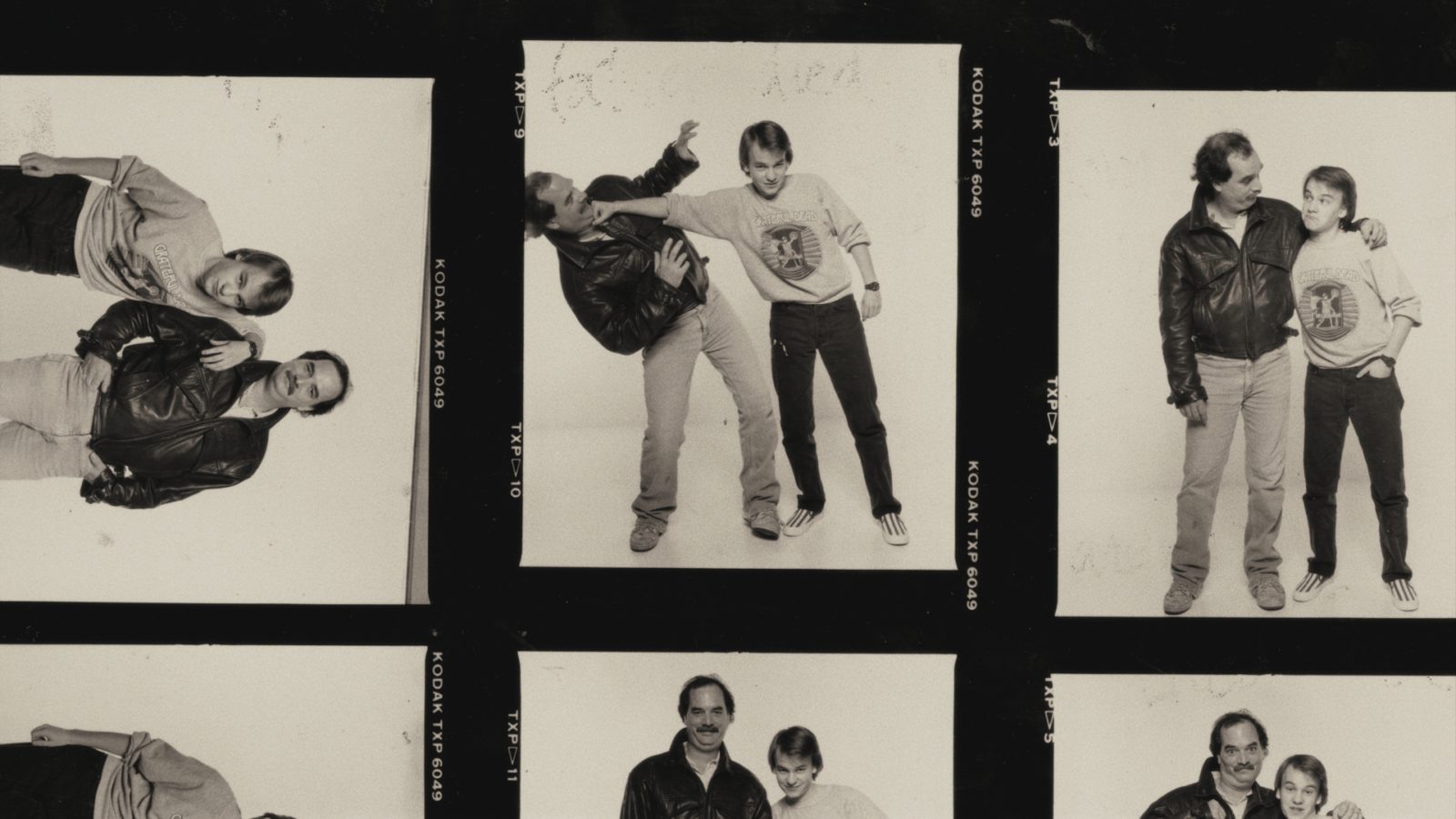
When we connect by phone, the Long Strange Trip producer is ecstatic at the release of his latest film, Let There Be Drums!, which explores the history of drummers in famous bands and the drummers’ relationships with their children.

Over the course of our conversation, Kreutzmann dives into the origins of his filmmaking aspirations, the influence of the Grateful Dead lifestyle on pursuing his passions, the art of storytelling, and his firsthand look at the normalization of cannabis culture within the 70s Deadhead psychedelic movement.

High Times: Coming from such a prolific music family, how did filmmaking become your path?

Justin Kreutzmann: It became my path the minute I watched Apocalypse Now.

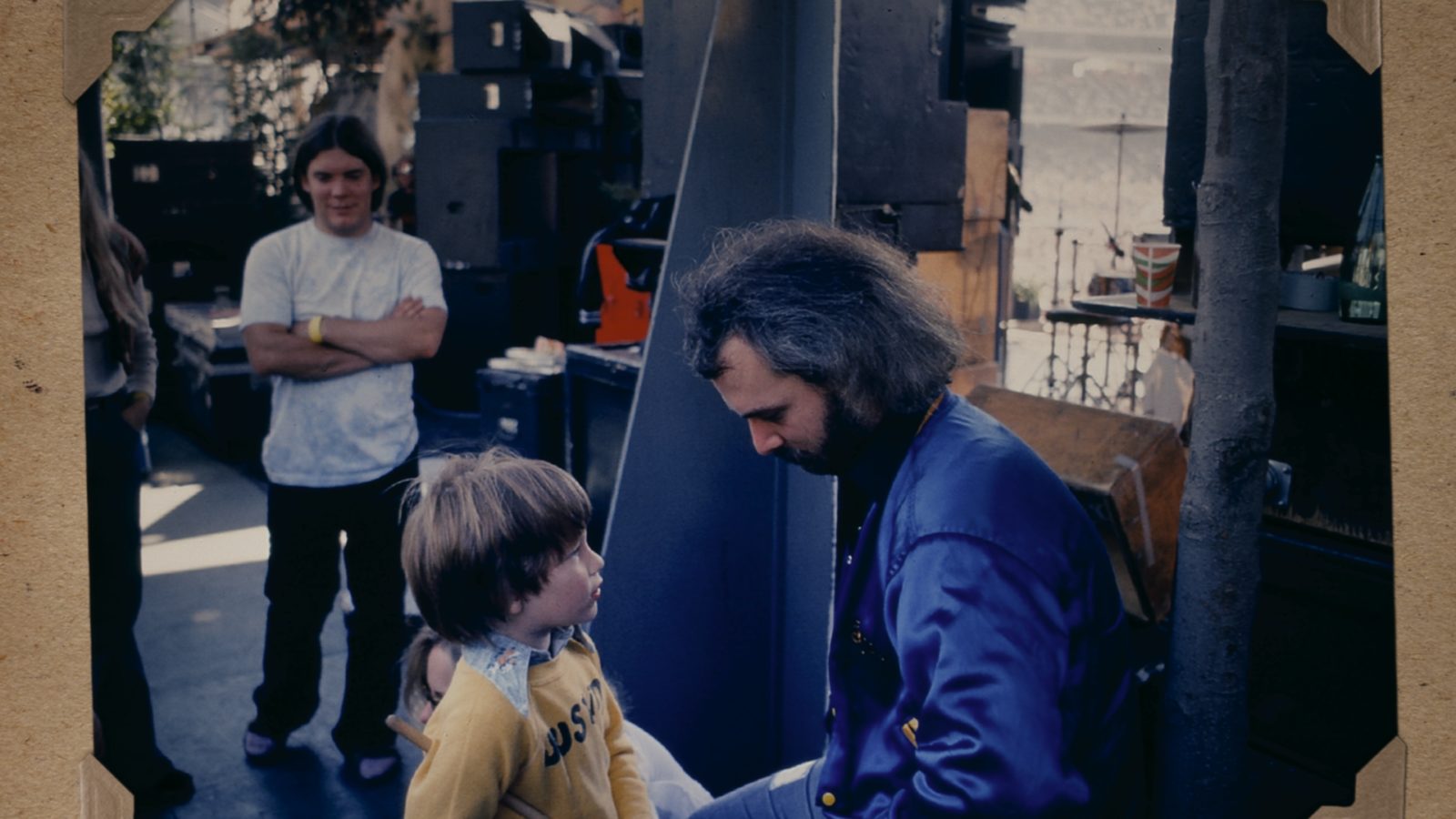
If you’ve seen the film, Mickey Hart tells the story of Francis Ford Coppola coming to Winterland and being blown away by the drum section. Coppola was in the middle of putting together Apocalypse Now and figuring out the score, and as anyone who has seen the film knows, it was a massive undertaking. So Coppola was really inspired by the drums and asked Mickey if he and dad [BIll Kreutzmann] could contribute to the percussion. Of course I was seven at the time and didn’t know any of this—I just knew we were going to Mickey Hart’s studio in Nevada and we were going to watch this movie.

We sit down and it’s the Grateful Dead and all of the Coppola people and they put on the six hour version of Apocalypse Now. Francis sits next to the TV and describes the entire movie in terms of rhythm and what percussion sounds the jungle was making at certain points and I just loved it. With the Grateful Dead being so free and easy, you could watch something like Apocalypse Now without parental supervision. It was an amazing experience and even though ninety-percent of it probably went over my head, I looked at Francis like, “I don’t know what he’s doing, but I want to do that. That looks like an amazing job.”

So dad bought me a Super 8 camera and literally one of the first things I shot were the Grateful Dead New Year’s Eve shows in 1977. That’s how I started because you shoot what’s around. You shoot family home movies. I wish I’d shot more, but I was a shy little kid running around with a camera and the Grateful Dead scene—I know this will be a shock to everybody—wasn’t really one where it was like, “Yeah, come backstage and shine a light on all the stuff we’re doing.” You had to be stealthy, pick your moments, and not get yelled at. From seven or eight years old, [filmmaking] is what I wanted to do and I never had a fallback option.

Being around the Grateful Dead, it was very much encouraged to follow what inspired you and to do a job you love because otherwise life would be too hard. Filmmaking for me checked all of those boxes.

Still from Let There Be Drums!

High Times: Having your father do what fueled him—how impactful was that on you in terms of staying the course and pursuing filmmaking?

Justin Kreutzmann: It was the most impactful thing ever. I saw what my dad did for work and [what he had to do] to play and make it great. I saw the effort he had to put in. I also saw the fun he got out of it and the rewards—certainly financially—but more the ten-thousand people dancing and cheering [for their music]. I also got to see his part in the band and understand the team effort.

I was in the studio when the band first started rehearsing “Terrapin Station.” For anybody who knows that song, there are a lot of parts, and so it was a long day sitting there watching the Grateful Dead figure it out. It was like Apocalypse Now—it was big, it was epic and I saw it getting more cohesive. The reward six months later was watching the band play these parts on stage and people freaking out. Being able to follow the whole process was really important.

With filmmaking, there’s the writing of it, the shooting of it, editing it, showing it to a theater—I equated it to doing what my dad did in the Grateful Dead and used the examples from him but just applied it to the film world. It’s all about the rhythm of the cuts. You can be deaf and watch a film and still love it because of the rhythm, the pace and the way the beats are landing.

A hard cut in a film is like the “one” beat. But also within that cut, there might be something that is landing on the “three.” You get into these rhythms that are not so pronounced but that can be very subtle and the audience can be moving along with it even if you’re not telegraphing your punches. We all know when you’re watching something and you turn the sound off and you’re just kind of bobbing your head because you can feel what it probably sounds like.

High Times: So whether it’s a film audience or a music audience, it’s more about connecting with them on an undercurrent that transcends sound.

Justin Kreutzmann: You’re telling a story. You never lose sight of the story you’re trying to tell but you’re telling that story visually, through sound, through music and the rhythm of the cuts. A lot of the really fun stuff is when somebody sees something in there that you didn’t even intend but they get something else out of it.

High Times: Along your career journey of understanding music and film, was there ever an experience or collection of moments that validated your initial impulse at pursuing your own filmmaking hero’s journey?

Justin Kreutzmann: There were two points. The first was in 1981 when we did a parody of the Rolling Stones tour produced by Bill Graham where all the guys in my sixth grade class dressed as The Rolling Stones under the premise that we were staying over at Bill Graham’s house. My teacher set up a screening for everybody in the grade—and while it was probably a terrible film—just watching it, having the kids cheer, and having that moment where your peer group recognized what you did creatively was so inspiring and gave you that first hit of validation.

The second one was realizing, “Hey, I might be able to feed my family,” and that filmmaking was something I could do as a career while not having to go through drastic measures to try and put food on the table. When you’re getting going, you hope it’s going to work, you have big dreams, but you have that fear of, “What if I’m no good at what I love to do?” I’m not sure how good I am, but at least I’m able to feed and clothe my children. My wife can take care of herself but we’re all getting by and we’re all having a very nice life.

Still from Let There Be Drums!

High Times: There’s something really beautiful about picking a path that speaks to you—like with the members of Grateful Dead—and leaning into it. When you do that, everything else sort of falls into place.

Justin Kreutzmann: One-hundred percent. You also have to realize, growing up in the particular music scene that I did—the Grateful Dead did it their own way. Those guys were the same way back at home as the way they hit the stage. While they would have loved hits, they didn’t go out of their way to get them. They played the music they wanted to play, they had a million-to-one shot, they got really lucky and they were talented enough to make a great career. But it could have gone the other way. This was not particularly commercial radio music, and just watching people do exactly what they wanted to do musically and believe in themselves—even if only ten other people got it—that was great. But ten-million people got it, so that was better.

Growing up, the Grateful Dead didn’t have that private plane, cover of People Magazine, big celebrity thing. They were successful in doing their own thing, but it wasn’t like they couldn’t go out to dinner to a restaurant—it didn’t really impact their personal life, and in that way you kind of had the best of both worlds.

You watch the Rolling Stones and you think there’s no way Mick Jagger could go down to a 7-11 and buy a Slurpee. Maybe he could, but the assumption is he wouldn’t be able to without getting recognized. I have a lot of friends with whom we always joke we’re in the “famous father club,” friends whose dads were in The Beatles or whose dad was Bob Dylan. If your dad is Bob Dylan, everybody knows your dad—which can be tough—but Jacob [Dylan] is literally one of the sweetest people you’ll ever meet in your life. Same with Sean Lennon and all those guys who would seem to have carte blanche and not be part of our world are actually really nice guys. It’s really fascinating because I always look at their dads and to me, The Beatles aren’t human, they’re this other thing that happened in the world—in a good way. The Grateful Dead were a few down-to-earth guys and The Beatles were on this mythical plane making this music that everybody loves.

High Times: In terms of your documentary Let There Be Drums!, what creatively inspired you to go on this journey and why this film?

Justin Kreutzmann: It’s something I’d been thinking about in the back of my mind for some time, something that I thought I could do well. Because of my dad, I had grown up around a lot of drummers, knew a lot of drummers’ stories, knew a lot of them personally—and originally, it was a lighthearted thing. Everybody’s got a drummer joke. Just ask [Jerry] Garcia, just ask Pete Townsend. Everybody’s got a really bad drummer joke that doesn’t end well for the drummers. So I thought we’d do this comedy of the sort of stereotypical hotel-smashing animal from the Muppets type stories. But the minute we started doing the interviews, it just went somewhere else. I blame Taylor Hawkins for this because he was the first guy to say, “Okay, I don’t know if this is for the documentary, but how stable was your home life growing up?” He started asking me questions and so instead of the interviewer/interviewee, we’re trading stories.

I’d have my list of twenty questions and the answers were all great, but the minute it went off and got more personal or into areas they don’t get asked a thousand times, it got more interesting. So when I got in the editing room, the film really told me what kind of film it wanted to be. There’s a lot of really interesting drum stuff in it, but there’s more interesting emotional and family stuff, and the connection just happens to be that it’s families of drummers.

Most everybody has a father, most everybody has a family, and most everybody can relate to issues and family stuff. I just sort of showed it in the context of being a kid of a drummer, like through Jason Bonham and Mandy Moon. I mean come on, if your dad is Keith Moon, I want to hear what that’s like. That’s really unique. Mandy’s not a drummer and she was the first interview we did for the film. I think her interview along with Taylor’s really set the tone. She wasn’t going to tell me about her dad’s technique or how he played shuffle. The stuff that really spoke to me emotionally is what ended up in the film and became the focus.

Still from Let There Be Drums!

High Times: And drumming just happened to be the way in, but really it’s a much deeper narrative that you’re telling.

Justin Kreutzmann: I’m glad it worked out that way because if the pitch had been, “Hey, we’re going to do a film about our famous drummer dads,” that blows. Because it just sort of happened organically, it ended up being much better. Seeing the different pairings of dads who are here, dads who are no longer here and all that kind of stuff—that was all in the mix. You couldn’t just put that next to a funny hotel smashing story. There’s more to it than that. And also, everybody was being so freaking real with me—there was no way I couldn’t be real when it was me and my dad. We were as real as everyone else was, and that’s what I really love and respect about all of the people in this film.

High Times: Were there any commonalities across all of the interviews that you picked up on?

Justin Kreutzmann: The connective tissue between a lot of the things—and Jason Bonham says it really well: “When your dad’s in the band, you’re like whatever. It’s not like you’re in The Beatles.” He has this great line where he goes to see his dad sellout a stadium in Florida and he asks, “Who’s on the bill? There’s no way Led Zeppelin could do this.” It’s love and respect but just a total kid thing of “this is just something that your dad does,” but your dad just happens to be in Led Zeppelin, but you’re still not impressed because you see him all the time. So that was a very common theme that came up.

High Times: What role did cannabis play for you growing up? Were there any commonalities there?

Justin Kreutzmann: Obviously growing up in the 70s in the Grateful Dead world, cannabis was plentiful, loved, and respected. It wasn’t like all drugs bad, no drugs good. Cannabis, LSD—they weren’t considered drugs. Heroin, crack—that was the bad shit. Even alcohol. But cannabis was just like cigarettes. It’s what everybody did, it was around, and we knew a lot of people who grew it.

I myself was never a weed guy. It was too strong, it made me too freaked out, and so I missed that train. But I’d have to guess I was around enough that I probably had a ten year contact high just from being near the Grateful Dead.

I remember the Grateful Dead were playing Stanford and it was the second set. I was sitting on a road case by Jerry’s area and he walks out with the rest of the band and he’s got his roach in his hand and he just hands it to me. It’s bright daylight at Stanford, everybody could see me holding his joint like he was Indiana Jones at the ark. Part of me really wanted to take a hit but then I looked around and realized ten-thousand people could see me, so I quickly handed it to somebody else.

I’m a sober guy, so I play it pretty clean, but I don’t have a chip on my shoulder. I do love the smell wafting over because it reminds me of home and I wish I was one of those guys [who was able to do it]. I did some videos with the band Slightly Stoopid and they just looked like they were having so much fun. The guys would talk about how they would get edibles for their dads, which I thought was so cool. It works for them and it’s creative and it’s fun, but I’m a father and a husband now and I don’t want to “poke the beast” as they say. Mad props for people who can just have a good time and get a little stoney.

Follow @justinkreutzmann and check out https://greenwichentertainment.com/film/let-there-be-drums/ for access to his latest film Let There Be Drums! available now

The post Justin Kreutzmann on Music, Film, and a Lifestyle Inspired by The Grateful Dead appeared first on High Times.


source https://hightimes.com/culture/justin-kreutzmann-on-music-film-and-a-lifestyle-inspired-by-the-grateful-dead/?utm_source=rss&utm_medium=rss&utm_campaign=justin-kreutzmann-on-music-film-and-a-lifestyle-inspired-by-the-grateful-dead

WHO THE F*#K ARE YOU PEOPLE?

Hi. My name is Patrick Maravelias and I would like to take this opportunity to say as loudly as I can that I, like countless others, have risked my life, my freedom, my reputation, and my livelihood for the sake of being able to smoke and grow cannabis.

I grew up just outside the Emerald Triangle and I’ve spent the better part of the last 10 years working on grows, trimming, making hash rosin, growing for myself, and everything in between. I’ve been robbed, threatened, extorted, and nearly killed more times than I can remember. Not ONCE during that time did I ever see any of you pocket-protector-wearing, rule-following weirdos in those hills risking life and limb with the rest of us. 

I really need to get this off my chest because this bush league shit has gone too far. A multibillion-dollar industry existed for 60+ years in the shadows because YOU sorry fuckers, or your parents for that matter, insisted that it remain there. Your friends didn’t go to prison for growing a plant, ours did. You didn’t have to risk multiple felony charges every time you got in your car, we did. A lot of growers still do for that matter. Weed has been legal in California since 2018 and I can’t even smoke a joint in my backyard without overhearing my neighbor tell her children that we’re disgusting. 

All that hard work, all the high risk for minimal reward, all the helicopters coming in to terrorize actual children in the middle of the night for DECADES was all for nothing because you people swooped in with your war machines (Excel spreadsheets) and left the victims of the drug war out to starve. Still to this day people in the triangle who don’t even grow weed have helicopters circling directly above their backyards every single year. Does that seem normal to anyone? Does it seem fair that the legacy growers, in lieu of compensation or even basic acknowledgement for their work, have received abatement notices and annual police raids instead? 

To make matters worse, the rural communities that built the cannabis industry and quietly flourished alongside it had their businesses and livelihoods taken by a bunch of asshole lizard people from Palo Alto. Do you know how many of my favorite hill restaurants closed down in the last 10 years? I’m not even exaggerating when I say it’s at least five. They’re all being bled dry. Even the non-growers who just want to live in the mountains are struggling. Cannabis is the backbone of rural America whether anyone wants it to be or not and rural America is not doing well right now.

Now, all you skim-milk-drinking cretins are going to your respective state legislatures whining all the livelong day about the black market stealing your business. First of all, losing business to someone playing with less than 100 plants when you’re playing with thousands of lights and millions of dollars is pathetic. Second of all, can you even blame the black market? Why would any financially literate person want to throw their hat into legal weed in 2022? Anyone who graduated the third grade can understand what a red downward arrow on a graph means. All the farmers “taking your business” are breaking even at best every year for the same reason I’m writing this article: we simply love cannabis and we don’t want you anywhere near it.

For the sake of efficiency and to be perfectly clear who I’m referring to, if I’m ever be crowned King for the day anyone who makes the following list will be charged with high treason and sent to Madagascar to be used in barbaric, gene-splicing experimentation:

  • Everyone on LinkedIn. Every last damn one of you.
  • All you Patrick Bateman-esque suits spending thousands of dollars on booths at every event only to lose money every quarter because all of your products fall on deaf ears.
  • Weed journalists that have never worked for a cannabis company and barely smoke if they smoke at all. 
  • Anyone who uses the term “scalability” (You also qualify for this if Coldplay’s “Viva La Vida” starts playing in your head when you jerk off).
  • Anyone who has never committed so much as one misdemeanor or petty crime in the name of the cannabis industry.
  • Marketing vultures who pester cannabis journalists to cover MSO’s. You’re a thieving band of godless Tik-Tokers and I’d rather eat a live hornet’s nest than do your PR for you.
  • Concentrate makers who continue to make CRC and distillate despite being unloved by God and their own children.
  • If your name happens to be Chad, I realize this is a “couple of bad eggs” situation but I’m sorry, you all need to go 
  • Every single one of you assholes who made felons out of multiple generations of people only to show up once the risk was gone and say “nice house, we’ll be moving in now.”

Everyone on that list is walking up steps we all built with our bare hands and simultaneously complaining that the steps aren’t up to code. Now we have metric shit tonnes of garbage cannabis that doesn’t sell, events you can’t smoke at, and that headass CEO who won’t let it go that almost nobody wants to drink their weed. I don’t even remember his name. 

I don’t remember any of your names for that matter. I don’t remember your knock off strains or your god awful, mold-infused pre-rolls. I don’t remember your renamed Gelatos and I especially don’t remember strains with a Z in the name that don’t taste anything like real Z. I don’t want your business, I don’t want you reading my stories, I frankly just don’t want any of you here at all. 

That said, I’m fully aware this is how things are and how they’re going to stay. But to the specific group I’m talking about, let me assure you that your days making a viable income playing this poor man’s game of copycat are numbered. Everyone that we consider “big money” in weed right now sucked in whatever industry they started in so they figured they’d bring their same dazzlingly average business tactics to an industry full of pot-smoking illiterates and clean up nicely. Doesn’t seem to be going too well for most of you does it? It’ll be going even worse for you when federal legalization happens and the real money comes in. 

Now to be fair, it’s going well for almost no one right now, but the OG’s who have been out here risking everything every season just to grow the best weed they can will all survive for years to come because they’ve all seen much worse than this and they have a customer base that is loyal to a fault. I’m talking about brands like Alien Labs, Ember Valley, 710 Labs, Jungle Boys, Jelly Wizard, Fidel’s, anyone with access to real cuts of Zkittlez because they earned them, and a bunch of other people I don’t feel like remembering because I just took a gigantic dab and I can’t breathe. 

The point is every single company I named has skin in the game. They have a reputation that precedes them which lets me know they deserve to be playing at the level they are. A lot of cannabis journalists don’t even cover companies that produce true quality. I’m not sure why. Maybe they don’t smoke enough, maybe they’re too busy asking the CEO of Tilray to autograph their copy of Rich Dad Poor Dad. The world may never know.

There are growers known all over the world who refuse to run more than 10 lights per room because they are that concerned with quality. They’re growing the loudest weed this side of the Mississippi but the only people that know about them are the people who understand what quality is. The real smokers will always pay twice as much to their buddy with a one light tent if the weed is better, and it almost always is. The price of real top shelf pounds from trusted brands is still extremely high and those $1,200 dollar organic ounces you hear about in L.A. are one hundred percent real (even if they are overhyped). You can’t fake the love!

That’s the part about cannabis that these suits don’t seem to understand. They’re trying to rerock weed to appeal to people who don’t smoke it. Rather than reinvent the wheel, just grow some good weed! Market to heavy smokers who want to take half gram dabs to the face from sunup to sundown instead of this weirdo boutique shit where we’re supposed to pretend like we can feel 10 milligrams of dogshit distillate in sparkling water. The only reason the black market is still around is because it’s obviously doing a better job. 

I’m not here to be a complete pessimist. I love everyone, man. I even love all you second-rate, online-business-school bunch of Mark Cuban wannabes. I do. I just don’t want you taking jobs and money away from MY people. The ones who are in this because it’s what they love. Anyone who truly does what they love to do does not have the option to seek alternative employment and you all keep taking their damn jobs. 

However, if you just happened to show up late to the party, I can’t be upset with you for that. Just show some respect! Hire people who did time on illegal grows or time in prison or both. But don’t show up at our house like a walking, talking version of that Steve Buscemi “Hello fellow kids” meme and expect the people who built the damn house to just bend over for you. 

So what should all these paper pushers and chronic bedwetters do to earn their place? Well, leaving promptly would be a good start because you all appear to be hemorrhaging money and I’m sure most of your wives are cheating on you by now so you probably have bigger fish to fry than continuing to drive eighth prices up and pound prices into the dirt. I think I speak for the majority of the heads when I say, we got it from here. As kindly, respectfully, and cordially as I can possibly muster: can you all please just fuck off? 

In all seriousness though, this part is going to feel like a kick in the dick: at the end of the day we all need each other. The OG’s can grow some serious fire but living in the shadows for decades means they’re not good at abiding by the structure that the legal market demands. The legacy market needs the legal market to help it step into the light a bit and the legal market needs the legacy market because it has no idea which way is up or down without the experience of people who have been doing this their whole lives.

However, I want to be as clear as possible when I say you all need us more than we need you. We did fine for years without you and we’ll continue to out-perform and undercut you at every turn until you give us a rule book we can live with. That’s all I’m asking for. Release the weed prisoners, give the legacy market a substantial leg up in the legal market, require these big MSO’s to hire felons, vote for direct-to-consumer sales, and stop taxing growers back into the Stone Age so they can afford to feed their families. 

If you’d like to skip all that and earn my respect directly, I have a quicker method you can try: take a full-gram dab of some black or brown 2013 BHO style wax on video and email me the footage. I want to see pain in your eyes before I give you a pass.

The post WHO THE F*#K ARE YOU PEOPLE? appeared first on High Times.


source https://hightimes.com/weirdos/who-the-fk-are-you-people/?utm_source=rss&utm_medium=rss&utm_campaign=who-the-fk-are-you-people

Thursday, November 24, 2022

Arte, Vandalismo y Acción Directa con Miss Eu G: DJ de El Doctor, MC y Gestora Cultural

Nota por Lola Sasturain publicada originalmente en El Planteo. Más artículos por El Planteo en High Times en Español.

Síguenos en Instagram (@El.Planteo) y Twitter (@ElPlanteo).

La persona que le pincha los beats y le hace los adlibs a El Doctor en vivo es mujer y se llama Miss Eu G. Ella es DJ de trap, rapera y productora y gestora cultural; y durante los primeros años también fue su manager, organizando fechas y giras alrededor del país.

“Soy una piba megacuriosa del tercer cordón del conurbano”, se define.

Dentro de la escena trap es un bicho raro: desde chica que se conoce todas las bailantas pero también iba a ver bandas de la escena alternativa. “No sé de dónde me bajó la data de que a mí me gustaba la música experimental, sónica y alternativa en ese momento, pero me la pasé arriba de los trenes recorriendo todo Buenos Aires yendo a ver bandas todos los fines de semana desde los 13 años”. Le gustaba mucho ir a ferias de fanzines, fiestas contraculturales y fechas under. Y es fan de la literatura y el cine.

Contenido relacionado: Reguetonera, Punk, Clubber y Fumona: Presentamos a Rosa Pistola, la DJ Más Picante de Mexico

Al Doctor lo conoció en una de estas vueltas. 7 años atrás, la DJ investigaba la escena de rap Argentina pero no la sastisfacía: había algo del rap cociencia que la terminaba aburriendo. Así fue como le llamó la atención El Doctor por sobre los demás MCs del momento, mucho más nasty, controversial y con un pie en el punk. 

“Rapeaba con su peinado tipo Misfits y yo dije este chico es un raro”, ríe. Le gustaron sus letras duras y explícitas. El trabajo juntos se fue dando naturalmente y se fueron consolidando como dúo. Al principio también era su manager. Sobre esto le interesa remarcar: “El tema de ser una manager mujer y trabajar en la noche con todo lo que eso conlleva. Hay gente pesada en todos lados y nosotros también lo somos. En esas relaciones de fuerza hay que ser muy pistera y saber manejarlo muy bien para sobrevivir. Definitivamente no es para cualquiera”.

Hoy delega gran parte de esas tareas para centrarse en su carrera artística, tanto junto a El Doctor como solista, y trabajan con un manager que los maneja a los dos. Y tienen, junto al resto del equipo, un sello que se llama Muerte a la Poli.

“Yo no creo que adherirse a la hegemonía o a la moda de la estética del momento sea el único camino aceptable como artistas. Todo lo que es genuino y real tiene su peso. Por eso podemos decir que llenamos un Groove en la presentación del disco solos, sin publicidad. Somos artistas independientes posta”, cuenta.

Y pueden estar felices que, a pura autenticidad y garra, llegaron lejos: sus próximos shows son el Primavera Sound -con El Doctor como único rapero masculino en el mismo día junto a Travis Scott, aclara- y el festival Nueva Generación en el Estadio Kempes de Córdoba. También acaban de confirmar su participación en la próxima edición de Cosquín Rock.

“No vale apropiarse del lenguaje y de experiencias que no condicen con tu clase social”

Junto al Doctor funcionan como banda. No solo es la DJ, sino que es una parte fundamental del proyecto tanto creativa como operativamente.

“Considero que hago unos adlibs diferentes”, cuenta Eu G, y explica que tiene que ver con sus influencias musicales que exceden al rap: punk, postpunk y hardcore. “Siento que soy una persona híbrida culturalmente hablando. El Doctor es un artista de trap y rap gangsta hardcore y también muy punk aunque suene todo muy aislado”.

Contenido relacionado: Dj Mami, Pionera de la Escena Urbana Argentina: Fiestas DIY, Amistades Enriquecedoras y Vibra Psiconauta

Recientemente subió un tema, “Nunca van a ser Trap”, con ClubHats. Lo hizo en Sponsor Dios, el estudio de Ysy A. “Todo el tiempo estoy recibiendo propuestas para trabajar con los que yo considero que son los mejores productores del trap argentino y eso me hace sentir muy bien, así que se viene mucho más”. En el futuro va a sacar un perreo junto al Doctor y a DJ Mami . “Todo para aportar a la fiesta que tanto nos gusta y tan bien nos hace”.

Le gusta componer utilizando la técnica del freestyle, y su inspiración es la realidad. Para ella eso es lo único que define verdaderamente al trap: “No vale apropiarse del lenguaje y de experiencias que no condicen con tu clase social. Eso me parece que es muy negativo para la construcción de un lenguaje que se basa en la representación de la realidad de las clases bajas”, analiza.

“Todo lo que es conceptual es mutable, sin embargo de lo único que estoy segura es que el trap debe ser una representación de la realidad de personas en los márgenes de esta sociedad”. Y agrega: “Y ante todo rapear bien”.

Como DJ no tiene muchas ataduras: pincha lo que le gusta. Música del caribe, rap y trap estadounidense, baile funk. Cuando toca en fiestas sus sets tienen un poco de todo eso siempre con un pie en el underground. También es una gran admiradora de la cultura clubber. “Salir a la noche a divertirse y escuchar lo que los DJs tienen para compartirnos. Es una manera de expresarse muy linda. Y me gustaría pedirle a la gente que no ande pidiendo temas, que lo que hace el DJ en su set también es una forma de comunicarse respetable. Hay que ir a disfrutar y a descubrir cosas que no conocemos”.

Y dispara: “Quiero invitar a todes a que tengamos una búsqueda sonora más amplia”.

“Es un cóctel hermoso fumarte un porrito y hacer freestyle”

Miss Eu G probó la marihuana de adolescente y desde ese entonces la acompaña. El porro tiene mucho que ver culturalmente con la música que ella hace y escucha y siente que son cosas que van de la mano. La ayuda mucho en sus procesos creativos, siempre con responsabilidad: “Es un cóctel hermoso fumarte un porrito y hacer freestyle, fluir en beats y demás. Es muy lindo así que suelo encarar por ahí”, dice.

El porro es lo que más circula en los camarines y los shows de la banda, cuenta. Es lo que fuma todo el equipo. Esto puede sorprender dado que El Doctor se hizo conocido con una canción llamada “Falopa y Pasta Base”.

Contenido relacionado: Todo sobre Tobi: Colaborar con Tiago, el Trap y el Futuro

“A pesar de que El Doctor habla de las adicciones en sus canciones me gustaría que la gente escuche bien las letras porque el nunca dice que está bueno lo que atraviesa a partir de todo eso”, cuenta la dj.

Jamás fomentan un ambiente de consumo de cosas más pesadas. “Todas las letras expresan el dolor que conlleva la adicción. Hacemos trap, que significa atrapado. Y nos pone muy tristes que mucha gente joven se arruine a través del consumo de ciertas cosas”, sigue.

En todos los ambientes se consume de todo. Yo me preocuparía mucho más por artistas que hablan de la paz y el amor cuando en su vida eso no es una realidad. Hablar de nuestras vidas de una forma real y hacernos cargo de eso es un primer paso hacia la transformación. No me parece que la única manera de poder hablar de sanación y progreso sea esa que nos muestran las redes sociales, tan clean y hegemónica”.

“Sororidad es entre mujer y mujer, no entre mujer y lora”

“Fui y soy una de las pocas mujeres que acompaña a un show de estás características en este país, no sé si la única debo decir “, afirma, y está en lo cierto. No es para nada común ver a una chica acompañando a un trapero hombre detrás de las bandejas, y mucho menos a uno que rapea sobre los temas que rapea El Doctor.

“Todos los géneros tienen una mirada bastante controversial con respecto a la mujer. Yo sé que éste contenido no es misógino porque eso habla del odio hacia la mujer y en este caso nadie odia a nadie. No le vemos la carga negativa a la palabra ‘puta’. Tengo muchas conocidas y amigas que se dedican al trabajo sexual y son abiertamente putas”, cuenta.

Sí le ha pasado que otras mujeres la confronten por esto mismo. Una vez, cuenta, un grupo de chicas muy rubias y muy blancas la encararon en Niceto acusándola de mala feminista por trabajar junto a El Doctor. “Recuerdo haberles dicho que si ellas por mes juntaban el dinero que yo necesitaba para vivir, yo con gusto dejaba la banda y comenzaba a vivir de los fondos que me daban. Obviamente no acusaron respuesta”, cuenta.

Se hace cargo del lugar que le toca y a la gilada ni cabida. “No me gusta andar dando muchas explicaciones. Si al final el lugar que tenemos las mujeres de barrio, con todo lo que eso conlleva, es tener que andar dando explicaciones no estoy muy de acuerdo con eso. Me resulta muy contraproducente pensar que las mujeres somos castas, puras y que acarreamos paz y amor todo el tiempo porque no es así”.

Y sentencia: “Una vez leí en Internet: sororidad es entre mujer y mujer, no entre mujer y lora. No pienso que cualquier persona que me venga a lorear esté realizando un acto muy transformador para las mujeres dentro de esta sociedad”.

“Soy una gestora de buenas noticias”

Además de todo lo que hace, Miss Eu G también es asistente de producción en Peek LATAM, primer y único canal digital de streams por Twitch del país. Ahí producen streams musicales junto al Doctor y MCs y beatmakers invitados. 

Lo que más le gusta es visibilizar el trabajo y la dedicación de lxs productorxs, en muchos casos invisibilizadxs. “Para mí es súper importante darles espacio e identidad a los productores que están detrás de cualquier pieza musical que escuchamos”, dice. Por ahí pasaron Kaleb Di Masi, Perro Primo, DT Bilardo, Gabino Silva, Chulimane junto a su productor Ramiro y Dellaloula (productor y DJ de Barderos Crew).

Contenido relacionado: Omar Varela, el Beatmaker de Oro del Trap Argentino: “El Dubstep Va a Volver y Espero Estar yo Ahí a la Cabeza”

“Le meto a la gestión hace años, soy una hacedora, gestora de buenas noticias diría. Todo lo que se me cruza lo quiero transformar en una experiencia dentro del arte y la cultura”, se describe.

“Siempre me gustó mucho el arte”, dice, y se ríe: “Bah, más que el arte… el vandalismo y la acción directa”.

The post Arte, Vandalismo y Acción Directa con Miss Eu G: DJ de El Doctor, MC y Gestora Cultural appeared first on High Times.


source https://hightimes.com/espanol/miss-eu-g-dj-el-doctor/?utm_source=rss&utm_medium=rss&utm_campaign=miss-eu-g-dj-el-doctor

Study Finds Benefits Outweigh Risks of Ayahuasca Use

Given the recent Western uptick in ayahuasca use, a new study from the University of Melbourne took a closer look with data from an online Global Ayahuasca Survey, carried out between 2017 and 2019, of 10,836 people over the age of 18 who used ayahuasca at least once.

Ayahuasca is a concentrated liquid made from prolonged heating or boiling of the Banisteriopsis caapi vine and the leaves of the Psychotria viridis plant to create a tea containing DMT, the psychedelic active element of the brew. 

The drink has been used for spiritual and religious purposes in the past and is still utilized for similar purposes. Often a shaman or curandero, an experienced healer and spiritual leader, prepares the brew and leads the ceremony, which are often held at night. The experience typically lasts between two and six hours and may usher in a number of effects, both positive and negative. 

Similar to other therapeutic psychedelic experiences, participants often seek out ayahuasca ceremonies to gain a new perspective, to confront trauma and seek long-term, life-altering changes, among myriad other reasons. Because it typically contains DMT, a Schedule I substance, ayahuasca is illegal under U.S. federal law.

Ultimately, the study found that the benefits and positive experiences from ayahuasca use outweighed any adverse effects. Researchers found that acute physical adverse effects, primarily vomiting, were reported by 69.9% of respondents, and 55.9% reported adverse mental health effects in the weeks or months following consumption. Though the majority, around 88% of people surveyed, considered these effects as part of the process of growth or integration after the ceremony, and those who experienced these side effects said they were expected.

Researchers noted that physical effects were related to older age at the time of initial ayahuasca use, having a physical health condition, higher lifetime and last-year ayahuasca use, having a previous substance use disorder diagnosis, and taking ayahuasca in a non-supervised context. 

Dr. Daniel Perkins, one of the study’s authors and a University of Melbourne research fellow, nodded to the increase in ayahuasca’s popularity when speaking with Healthline

“Recently we’ve seen a booming underground retreat culture in the Western hemisphere in which people pay hundreds of dollars to go to these retreats,” Perkins said. “It is a spiritual experience, but it is not something you get up and dance to. There is no real recreational use other than for alternative healing. Overall, it is not widely consumed.”

The study ultimately confirmed that ayahuasca use results in a high rate of adverse physical effects and challenging psychological effects, though they are generally not severe. Not only that, but many participants continue to attend ceremonies; authors suggest this means participants generally perceive the benefits as overshadowing any adverse effects.

Moving forward, researchers suggest further examination of variables that might predict eventual adverse effects to better screen or provide additional support for vulnerable subjects. They add that improved understanding of the risk.benefit balance users associate with ayahuasca could assist policy makers in decisions around potential regulation and public health responses.

“Many are turning to ayahuasca due to disenchantment with conventional Western mental health treatments,” the authors write in a media release, “however the disruptive power of this traditional medicine should not be underestimated, commonly resulting in mental health or emotional challenges during assimilation. 

“While these are usually transitory and seen as part of a beneficial growth process, risks are greater for vulnerable individuals or when used in unsupportive contexts.”

The post Study Finds Benefits Outweigh Risks of Ayahuasca Use appeared first on High Times.


source https://hightimes.com/study/study-finds-benefits-outweigh-risks-for-people-who-have-used-ayahuasca/?utm_source=rss&utm_medium=rss&utm_campaign=study-finds-benefits-outweigh-risks-for-people-who-have-used-ayahuasca

Cops May Soon Be Able To Scan Your Eyeballs To See if You’re Driving Stoned

A Montana-based company called Gaize has developed a device which can scan the user’s eye and utilize crazy futuristic robot intelligence to detect THC impairment.

According to the company’s founder, Ken Fichtler, American law enforcement agencies have already agreed to use the technology, though he could not specify which ones. 

“I’ll preface all of this by saying I am pro cannabis. I’m pro cannabis legalization. I’m doing this because I see a distinct need at the federal level to have some product to detect impairment so we can keep roads safe,” Fichtler said.

The device is akin to a virtual reality headset of sorts that a police officer would hypothetically place on the head of a driver suspected of reefer smoking. It shrouds the suspect in darkness for a few moments before shining a bright light to electronically scan the movement of the suspect’s eyeballs.

“The eyes are the window to the soul. The eyes offer a remarkably clear picture into the mental state of a person. They’re full of involuntary micro-movements and reflex responses that transmit information about someone’s impairment or sobriety,” the Gaize website states.

According to Fichtler, the scan cannot be used as evidence in court, much like a traditional breathalyzer, but police officers can use it in the field if they suspect someone is high so as to take their own bias or out of the equation completely. Gaize cannot yet quantify impairment like a traditional breathalyzer does, but it can essentially indicate if the person is intoxicated enough for their eye to respond to stimulus differently than it normally would.

“You can’t simply measure THC and say, ‘Yeah, okay, this guy’s high because he’s got five nanograms of THC in his body,’ right? It just doesn’t work that way,” Fichtler said. “What we’re doing is actually directly measuring how impairment manifests in the body, which I think is a much more rational, measured and fair path forward.”

Fichtler said the test is based on several different studies which have spanned the last 40 years, including a 350-participant clinical trial Gaize conducted themselves. A cursory search of “how cannabis affects eye movement” does indeed show several peer-reviewed studies on the matter dating back to at least 1979. As with most scientific studies there’s a lot of room for misinterpretation or error but try as I might I could not find much to dispute the science behind this technology. It turns out eyeballs are just dirty little snitches that will sell stoners out at every turn.

“There’s a lot of changes that happen and a lot of them happen at a scale that a human couldn’t necessarily see unless they were looking really close or even using a magnifying glass or something. Our product is sensitive enough that we can detect these really minute changes,” Fichtler said.

Fichtler did make a point of saying Gaize will not be selling the technology arbitrarily to be used for nefarious purposes but if you work a dangerous job or like to get high on your morning commute, you may find yourself staring into the bright light of a Gaize headset soon. 

Fichtler was not able to provide High Times with an estimated date that law enforcement agencies might begin to roll out the use of these headsets but for what it’s worth he seemed to speak with the voice of a man who had signed one or more non-disclosure agreements, rather than a man waiting for orders to start coming in.

“It’s being evaluated by some really high profile departments,” Fichtler said. “They haven’t all adopted it yet, but some have. My hope is that within a couple of years, maybe this is sort of standard practice.”

The post Cops May Soon Be Able To Scan Your Eyeballs To See if You’re Driving Stoned appeared first on High Times.


source https://hightimes.com/news/cops-may-soon-be-able-to-scan-your-eyeballs-to-see-if-youre-driving-stoned/?utm_source=rss&utm_medium=rss&utm_campaign=cops-may-soon-be-able-to-scan-your-eyeballs-to-see-if-youre-driving-stoned