Researchers at Kansas State University have found that livestock feed containing industrial hemp can reduce stress levels in cattle, according to a recently released study.
The 2018 Farm Bill’s legalization of hemp has led to a flurry of research across the country as scientists work to discover novel ways to make use of a valuable new agricultural commodity. Previous research at Kansas State has shown that plant matter from industrial hemp has favorable crude protein and digestibility profiles, potentially making the crop suitable for inclusion in cattle feed.
Another study revealed that cattle readily absorbed cannabidiolic acid (CBDA) after being fed hemp flowers produced for CBD production. Michael Kleinhenz, assistant professor of beef production at the Kansas State University College of Veterinary Medicine, says that the previous research has implications for the viability of industrial hemp as a livestock feed.
“If hemp is to be utilized as an ingredient in the ration of cattle, it is prudent to know and understand the pharmacokinetics and potential biological effects of cattle exposed to repeated doses of cannabinoids present in industrial hemp,” Kleinhenz said in a statement from the university.
Kleinhenz and a team of researchers decided to study whether the cannabinoids present in industrial hemp would have an effect on the stress and activity levels of cattle that were given feed containing hemp.
“Cattle experience a variety of stress and inflammation,” Kleinhenz explained, noting that animals that are being transported or weaned are particularly vulnerable.
Researchers Observe Benefits of Hemp Livestock Feed
To conduct the study, the researchers fed industrial hemp to a group of 8 Holstein steers. The hemp was mixed into grain that was given to each animal individually to ensure a complete and consistent dose. A control group of 8 steers was given feed that did not contain hemp. The animals were monitored for cannabinoid levels, blood stress markers and activity levels including the number of steps taken per day and the amount of time spent lying down. The researchers then analyzed the data to compare the results between the two groups of animals.
“Our most recent data shows how cannabinoids via industrial hemp decreased the stress hormone cortisol as well as the inflammatory biomarker prostaglandin E2,” Kleinhenz said. “This shows that hemp containing cannabidiolic acid, or CBDA, may decrease stress and inflammation in cattle. Thus, hemp may be a natural way to decrease stress and inflammation related to production practices such as transportation and weaning.”
The researchers also determined that the group of cattle given feed containing industrial hemp spent more time lying, which can aid digestion by helping the animals produce saliva and chew their cud. The study revealed that while cannabinoids could be detected in the animals that had been fed industrial hemp, the level did not increase over time.
“Our new research helps us better understand how cannabinoids present in industrial hemp interact with bovine physiology and pharmacology,” Kleinhenz said. “For instance, we now know that repeated daily doses of CBDA via feeding hemp does not result in accumulation of cannabinoids in the blood. Additionally, it solidified previous research and shows that each cannabinoid has its own absorption and elimination profile.”
Kleinhenz said that the initial data collected by the team is essential if the U.S. Food and Drug Administration and the Association of American Feed Control Officials are going to approve industrial hemp as a feed for livestock. He also noted that more study will be needed to learn if the same effect on stress levels is observed in animals undergoing stressful situations.
“Further work is needed to determine if cannabinoids can alter the stress response in cattle during stressful times such as transportation and weaning, but we hope this research is a step forward in the right direction.”
Funding for the research was provided by a grant from the Agriculture and Food Research Initiative of the U.S. Department of Agriculture’s National Institute of Food and Agriculture. The full study, “Short term feeding of industrial hemp with a high cannabidiolic acid (CBDA) content increases lying behavior and reduces biomarkers of stress and inflammation in Holstein steers,” was published online this month by the journal Scientific Reports.
With an effort to give cannabis businesses access to financial institutions stalling in Congress, some lawmakers in Pennsylvania are taking matters into their own hands.
A committee in the state Senate on Wednesday approved bipartisan legislation to “afford state-legal cannabis better access to banking and insurance services,” according to local television station WHTM. This would help with the overwhelming problem in legal cannabis of the lack of access to safe banking resources.
Per the station, the bill “authorizes but does not require financial institutions to provide services to state-legal cannabis businesses,” while also permitting “Pennsylvania’s medical cannabis industry the ability to take out ordinary business expenses when filing state taxes.”
According to Local 21 News, the “bill puts safeguards in place so banks and insurers can do business with the medical cannabis industry without fear of penalty.”
The bill was written by two state senators: Republican John DiSanto and Democrat Sharif Street. It was then approved by the State Senate Banking and Insurance Committee.
“Access to financial and insurance services is essential for operating any business, and it is against the public interest to relegate a multi-billion-dollar industry to deal in piles of cash,” DiSanto said, as quoted by WHTM. “Banking this cash safely in Pennsylvania provides certainty for businesses, is a huge opportunity to grow our economy and should ultimately lower costs for medical cannabis consumers.”
“This is a huge step in the right direction making it easier for banks to do something because right now, most banks are scared to do anything,” said Street, as quoted by Local 21 News. “The law is set up in a way where we are treating these folks like they are involved in illegal drug trafficking.”
The bill represents an effort to bring state-level reform in an area of cannabis policy where Congress has fallen short. It could mean more access to basic financial resources for local businesses.
Earlier this year, the House of Representatives once again passed the SAFE Banking Act, which would enable banks to provide financial services to cannabis businesses. It was the sixth time that the House passed the legislation, which was first introduced in 2013 by Democratic Congressman Ed Perlmutter of Colorado.
“Cannabis-related businesses—big and small—and their employees are in desperate need of access to the banking system and access to capital in order to operate in an efficient, safe manner and compete in the growing global cannabis marketplace,” Perlmutter said in a statement at the time.
Street said that he is confident the bill will be approved in both the state House and Senate. And there is cautious optimism among advocates that the SAFE Banking Act will finally clear both houses of the Democratic-controlled Congress this year.
There is growing urgency to get something done. In Washington state, a series of armed robberies at cannabis dispensaries has underscored the dangers that accompany having so much cash on hand.
The Seattle Timesreported earlier this month that “there have been around 67 armed robberies so far in 2022,” up from 34 in 2021 and 27 in 2020.
That worrisome trend has prompted officials in Washington to take action when it comes to banking access.
A Republican state senator in Washington introduced a bill last month that would tack on an additional year of prison time for any individual convicted of robbing a cannabis store.
And earlier this month, the state treasurer, Mike Pellicciotti, traveled to Washington, D.C. to urge passage of the SAFE Banking Act.
“You rob the places where the cash is,” Pellicciotti said, as quoted by local television station KING5. “These robberies are tragic. But these robberies are also preventable.”
An unknown protester sowed cannabis seeds throughout the rose gardens of New Zealand’s Parliament in Wellington, most likely as an act of defiance. The guerilla grower may have splintered off a violent anti-vaxxer occupation that took place weeks earlier.
New Zealand Heraldreports that half a dozen of the weed plants were promptly destroyed by Parliament grounds staff as they continue to sift through the rubble of the occupation.
According to New Zealand’s 1 News, an unnamed protester returned to Parliament grounds on Thursday claiming the seeds had been sown during the chaos, alongside a range of other plants that are always there, such as coriander, brassica and marigolds.
Many of the cannabis seeds had been scattered throughout Parliament rose gardens, the protester told 1 News in anonymity, and “many more will likely germinate for years to come.” It is not immediately clear if the protester was involved in or liable for any of the violence that took place weeks prior.
With a few weeks’ head start, nature takes over and it can spread like a weed. A Parliament groundskeeper agreed that more seeds will inevitably sprout. “There were a few cannabis seedlings,” the groundskeeper said. “A lot of seeds had been scattered around, amongst other things left from the protesters.”
Parliament grounds Speaker Trevor Mallard told 1 News, “I’ve asked for the weed to be weeded.”
The occupation began as a “convoy” that kicked off in Wellington on February 8, and was very similar to the Canadian convoy that took place in Ottawa in Canada. The convoy first camped in front of the Parliament building before things went South and they began to blockade most streets.
According to John Pratt from Victoria University of Wellington, the police did nothing to prevent the occupation from taking place, nor did they enforce a complaint from nearby Victoria University against the protestors. So by the stretches of imagination, the weed scattered throughout Parliament grounds could have been prevented as well if they had chosen to do so. Protesters attempted to burn the Law School building at the university.
Opposition National Party leader Christopher Luxon repeatedly extends sympathy for the protesters. Amid the vaccine mandate protesters, other issues are also at play.
“In July 2020 the Government introduced legislation that would introduce a compulsory random roadside drug testing scheme in New Zealand,” the Ministry of Transport wrote in an announcement. “Under the proposed drug driving regime, oral fluid tests will detect the most prevalent impairing illicit and prescription drugs at the roadside. The proposed change allows police to test drivers for the presence of drugs anywhere, any time, just as they can for alcohol.”
There are blood limits for 25 different street drugs, including THC. The problem with that is the fact that THC lingers in the bloodstream for much longer than most street drugs.
Drivers who test positive for drugs will be fined and stopped from driving for a minimum of 12 hours. On a positive note, drivers will not be criminally charged if they are simply high and not in possession of controlled substances.
A flurry of medical organizations in New Zealand slammed the roadside drug testing plan. The framework for oral fluid and blood tests is “not supported by reliable scientific evidence”, the Royal NZ College of General Practitioners said. The Royal Australian and New Zealand College of Psychiatrists said “the presence of drugs … does not directly relate to impairment.” The NZ Medical Association also said that the science is “not quite sufficiently adequate.”
Rally-goers this week “called for a fairer process to get a marijuana dispensary license in Illinois,” according to local news reports.
Local television station WLS reported that a group gathered Tuesday at the Thompson Center in Chicago to raise objections after Illinois Gov. J.B. Pritzker announced a lottery earlier this month to award 50 new adult-use cannabis licenses in the state in an effort to “expand opportunities targeted to the communities most impacted by the failed War on Drugs.”
The station reported that the group that organized the rally, known as True Social Equity in Cannabis, “don’t want a lottery to decide who can create a cannabis business in their neighborhood.”
“We are tired of waiting. No more caps, no more lotteries, no more games,” said Jose Lumbreras, one of the rally-goers, as quoted by WLS.
Pritzker’s office announced the forthcoming lottery earlier this month, saying that the state’s Department of Financial and Professional Regulation (IDFPR) would be “filing rules to simplify the cannabis dispensary license application process, remove barriers for social equity applicants, and expand opportunities targeted to the communities most impacted by the failed War on Drugs.”
The department, the governor’s office said at the time, is required by the state’s new cannabis law to “to issue at least 50 new adult use cannabis dispensary licenses by the end of 2022.”
“From day one, Illinois has been dedicated to leading the nation in an equity-centric approach to legalizing cannabis, and these proposed changes to the application process will make it much easier for social equity applicants to pursue licenses.” Pritzker, a Democrat, said in a statement at the time. “I appreciate all the feedback we have received from stakeholders since the start of the cannabis program, whose work informed this proposal and is continuing to make Illinois’ growing cannabis industry the most equitable in the nation.”
In the press release earlier this month, the Pritzker administration touted that “the new legal cannabis industry reflects the diversity of the state,” saying that: “100% of craft grow, infuser, and transporter licensee applicants managed by the Illinois Department of Agriculture qualified as social equity applicants”; “67% of said applicants live in areas disproportionately impacted by the failed War on Drugs”; “15% have been personally involved with the justice system”; and “five percent have a family member involved with the justice system.”
“We are committed to an inclusive and equitable cannabis program that continues to build on its successes while also recognizing and taking steps to improve it further,” Mario Treto, Jr., the acting secretary of the state’s Department of Financial and Professional Regulation, said earlier this month. “We look forward to introducing even more participants to Illinois’ adult-use cannabis program and encourage all feedback to help ensure we continue to grow the program together.”
But Juan Aguirre, one of the organizers for True Social Equity in Cannabis, said that applicants “have been devastated by what should have been a solution from the legacy market to the legal market. Instead, their life savings have been devastated; their time, their hop, their efforts have been in vain.”
Under the new rules proposed by Priztker, “applicants will be able to apply online with certain basic information (such as the name of the organization, list of principal officers, contact information, and a $250 fee).”
Pritzker’s office said that the Department of Financial and Professional Regulation also plans to to issue 55 conditional licenses to be distributed across the existing 17 BLS Regions detailed in the state’s new recreational cannabis law.
One of the organizers at the rally in Chicago told WLS that the proposal from Pritzker is “a great start to addressing some of the harm caused by the War on Drugs and those harmed by the original process.”
“I think the 55 for $250 is a good start, but we are far from equity,” the organizer, JR Fleming, said, as quoted by the station.
Thailand hasn’t always prohibited cannabis; it’s part of the culture.
Ganja plants were typically grown on the side of the house and used in traditional Thai medicine and Thai massage. Even today, some grandparents cultivate a few plants and toss a couple of leaves in their Tom Yom (traditional Thai soup).
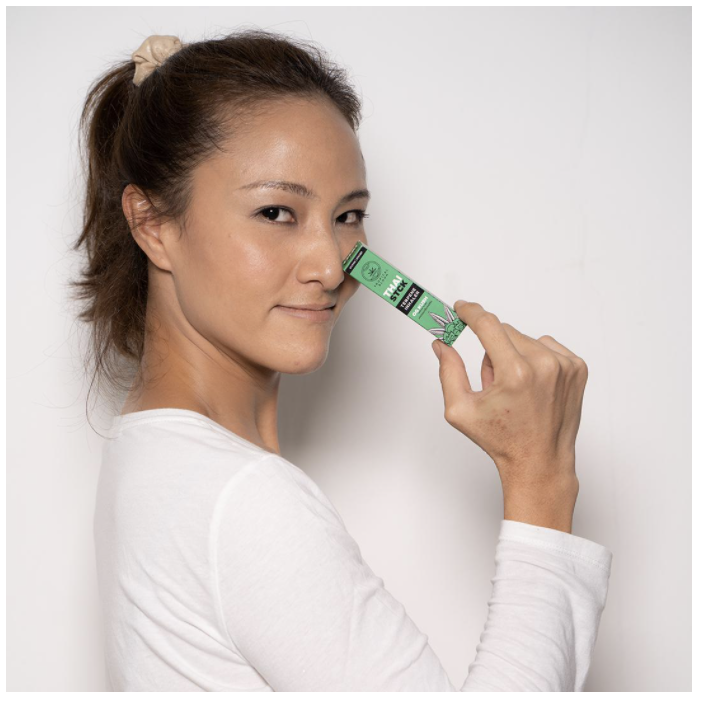
The U.S. illicit market fueled Thai Stick exports, which came from U.S. soldiers based in the Kingdom during the Vietnam War. At the time, there was no legal or moral taboo surrounding the plant in Thailand.
Then, during the 1980s, the United States’ War on Drugs pushed Thai legislators to change the law, burdening consumers and OGs (original ganjapreneurs) with the threat of severe penalties for cannabis smuggling, sales, production and consumption.
The Kingdom has made some progress over the last few years. However, its emerging legal cannabis market is still in its beginning stages, characterized by confusing legislation, empty promises and false reporting about what’s allowed.
Still, somehow, the cannabis community is alive and well in Thailand.
Courtesy of Chopaka
Chopaka
Kitty Chopaka, a cannabis advocate who tirelessly contributes to the legalization efforts in the Kingdom of Thailand, opened Chopaka, a terpene-infused gummies shop based in Bangkok, Thailand. She’s one of the most knowledgeable people regarding Thailand’s legal cannabis status and works hard to educate those interested in learning the truth about the plant.
“The new market is interesting. Because we’re in Asia, many people are curious but don’t want to get high. They still want to experience it, and the terpene gummies are exactly what they needed,” Kitty explained. “These gummies give a light effect leading up to a high, so they’re not so scared to try it.”
Courtesy of Chopaka
While there’s no weed involved, these sweet treats offer something unique to satisfy those new to cannabis and complement the consumption experience for long-time consumers.
“Lots of lady customers, surprisingly, come into the shop by themselves or with their girlfriends,” she said. “Some are hidden users; others are just looking to try it for the first time. They’re curious about terpenes and how they’re related to cannabis, especially after seeing the giant neon cannabis sign in the front window!”
Courtesy of Chopaka
Rather than using illegal, cannabis-derived terps, Chopaka uses artificial terpenes to create gummies that taste and smell like popular cannabis strains.
“Natural terpenes are challenging to use in the food industry. If we use them, they’re not stable,” Chopaka explained. “The shelf life is cut in half; they don’t hold up to the heat, and the taste and smell fluctuate. And in a massive market where weed is accessible for $300 a kilo, it doesn’t make sense to sell cannabis or cannabis products at the high price natural terpene products demand.”
Courtesy of Chopaka
Since starting the operation in September 2021, Kitty has perfected her recipe and obtained the correct licensing and FDA approval. Within a few months, she opened her shop, and over the last four or five months, she has moved 200 kilograms shy of a ton of terpene-infused gummies, which has made her an inspirational success in Thailand’s cannabis community.
“This is but the beginning of cannabis in Thailand. Don’t forget, the U.S. has gone through this, and we’re going through it in our own way,” Chopaka said. “We’re doing similar things with legalization and are working with what’s allowed due to the regulatory limitations. But as soon as progress is made, all of the other guys within this community will have some interesting innovations ready to release.”
Courtesy of OG Papers
OG Papers
As a cannabis consumer in Thailand, Krit Choo saw that the rolling papers in the Kingdom were commercialized; the products were only sold in supermarkets and large corporate stores. He decided he wanted to change that by starting OG Papers.
“I thought I could create a paper that’s comfortable to use and has more appealing packaging than what was available on the market at the time,” he explained. “So I started conducting research and made the first version of my papers.”
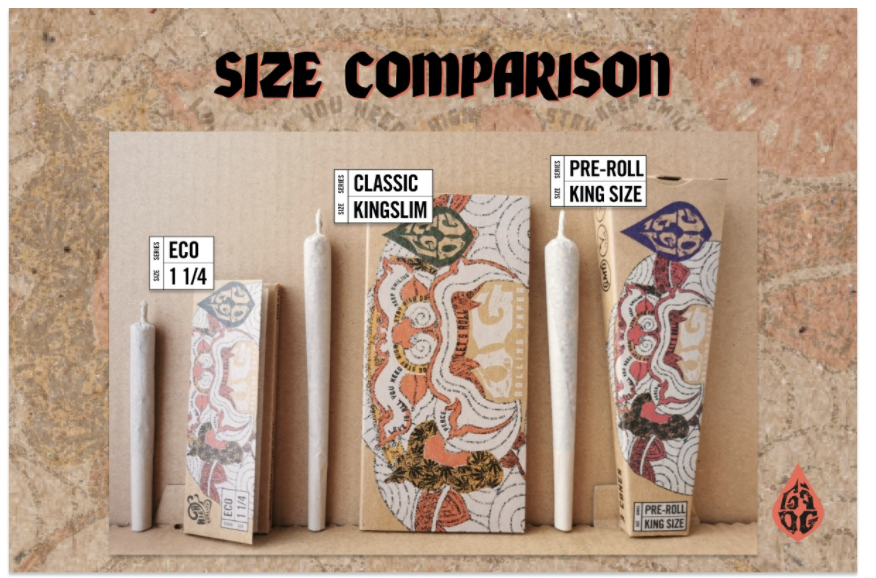
The papers are now made out of 100% hemp, but his first version was made from wood pulp. OG Papers changed the material to hemp in 2020, effectively leveling up the smoking experience.
Krit worked alone on OG Papers for two years before Pim Pirom noticed that the brand could be improved and requested to join the company, ultimately leading to its Siam-style rebranding in 2021.
Courtesy of OG Papers
The operation is entirely legal, and while these papers are obviously for cannabis consumers, there’s no law in Thailand prohibiting rolling papers.
“The law doesn’t impact our operations,” Pim explained. “Because we know deep down that everyone is smoking weed already, and the papers are normally used for weed, not tobacco. Most people who purchase our papers consume cannabis. But the regulations don’t make it difficult for us to continue making and distributing our products because we don’t say they’re for weed.”
OG Papers began its operations right before Thailand began to experience legislative progress. While recreational cannabis remains prohibited, fear is dissipating in the Kingdom’s cannabis community as interest in the plant flowers.
“It’s more popular than in the past,” Krit said. “Now, people can talk about weed in public without as much fear as before. In the past, it was more taboo.”
“I can see the difference in the news and regulations, but in everyday life, it doesn’t affect us at all,” Pim added. “Big brands are coming into the market, but this doesn’t change our operations. The legislative changes are more for the corporate levels than the small businesses.”
Besides changes at the consumer level, small businesses are connecting and collaborating with one another as the Kingdom’s legislative changes tend to lean more towards the large, corporate operations.
“Many small businesses are now coming together in the cannabis community,” Pim said. “More events are drawing them out than ever before, attracting small businesses that come out to share.”
Courtesy of Bloom
Bloom
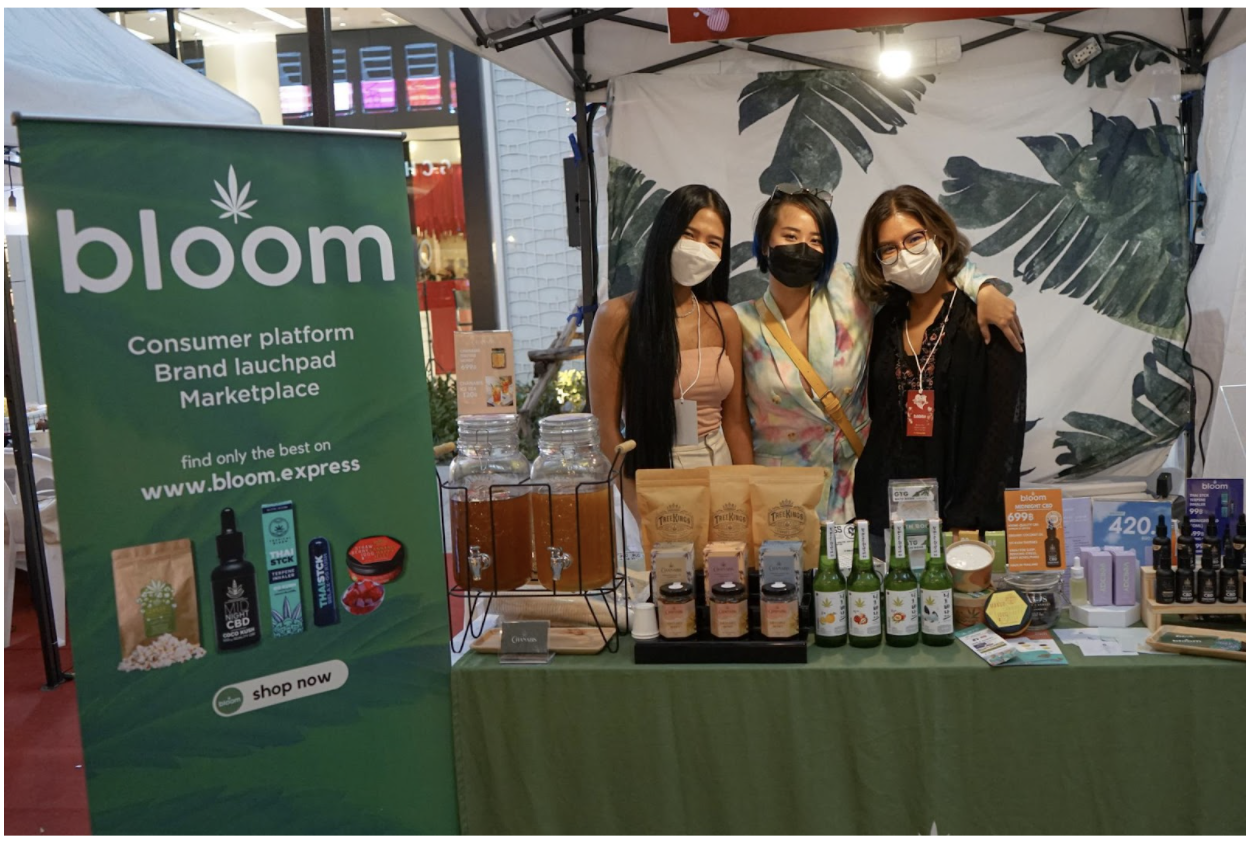
Bloom was conceived to solve one of the more significant issues in Thailand’s cannabis community: a portal to purchase quality, legal cannabis products. The Kingdom’s first “green rush” began in mid-2021, but most of the products were low-quality and gimmicky with poor branding.
“When we first started Bloom, it was even hard for us to find quality products to put on the website,” said John Williams, one of Bloom’s co-founders. “Quality companies were also having difficulty reaching the right audience.”
Courtesy of Bloom
The company created its own line of cannabis products and established a network of trusted vendors. It offers a gateway for these qualified vendors while serving the community with quality products, education on its website, and answering questions at three to four events monthly.
“Bloom has been fortunate to have opportunities that align with Thailand’s health community,” explained Williams. “We participate in community markets, health-conscious events, concerts, and this week, we’re running a Q&A panel and workshop about women in cannabis.”
Thailand’s cannabis laws constantly evolve, but the rules are progressing towards full legalization over the last few years. With around 125 Thai local cannabis products that can be made in the Kingdom and certified easily, plenty of product options exist. The main issue is the FDA’s regulations for packaged items.
“Any store can buy cannabis leaves from a legal source and cook cannabis foods without a license,” Williams explained. “A series of new laws have been approved to allow THC in foods, too, which comes fully into effect around June. However, it must be under 0.2% total THC content.”
As a new company operating in Thailand, Bloom must be wary of the law. However, the company has forged strong connections with policymakers and receives inside information prior to most public announcements, allowing it to remain ahead of legislative changes.
Bloom also collaborates with other members of Thailand’s cannabis industry, including Golden Triangle Group, an industry leader for growth and extraction. The lead grower of this operation, Jamie Carrion, bred a nine-time Cannabis Cup-winning CBD strain, Cannatonic, into Thailand’s landrace strains to create the CBD-rich “Raksa” strain.
The company also focuses on forming collaborations with key industry players, cannabis influencers, politicians, doctors, clinics, celebrities and local law enforcement.
Courtesy of Nudkinpuk Festival
Nudkinpuk Festival
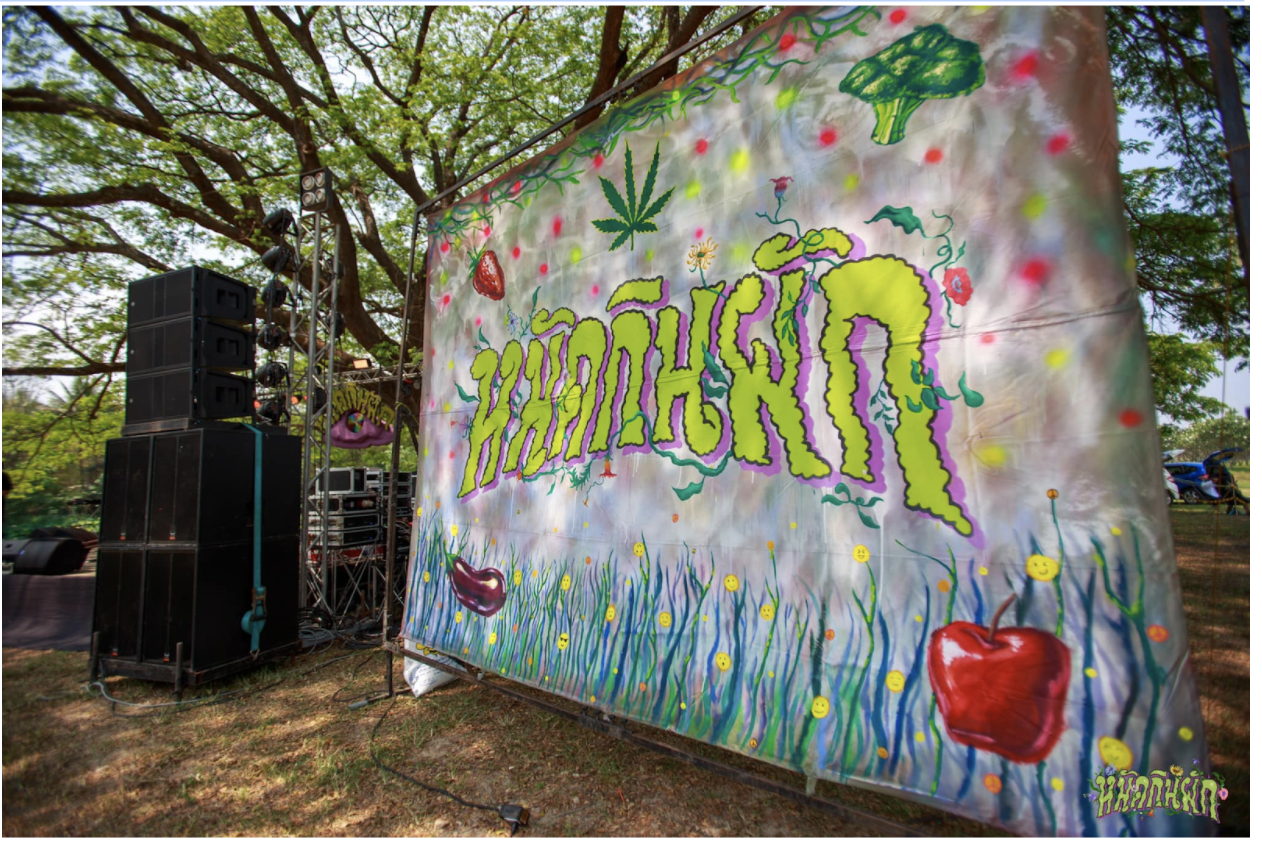
The word “Nudkinpuk” is a southern Thai language pronounced “Nud Kin Puk.” “Nud” translates to skilled; “Kin” means to eat; and “Puk” means vegetable. Together, these three words could be used to describe a group of people who are experts at eating vegetables.
“It started with my friend and co-founder, Beer,” explained Nuttawat Attasawat (Nut), one of Nudkinpuk’s co-founders. “We started by making a bong-cleaning product called ‘Blue Magic.’ We saw the separation in Thailand’s cannabis industry, an ongoing battle between high-quality and compressed marijuana.”
The idea behind the event was to clear the stress and problems within the cannabis community participating in the “Green Party House” in the Lat Phrao area. It grew into an event as friendships formed between the old and new generations.
“I thought about creating an atmosphere where cannabis lovers could celebrate and party together,” said Nut. “Breaking the walls from within the cannabis community was when the Nudkinpuk festival started gaining traction.”
The first event was held on the Chao Phraya cruise ship. This cruise represented those in the cannabis community who are in the same boat, encouraging members to set out together in search of friendship through weed. But the taboo nature of cannabis has caused issues while planning more events.
“The second Nudkinpuk was to take place near a forest’s edge,” Nut said. “However, between the COVID-19 situation and the fact that the Nudkinpuk festival is a marijuana-centered event, the property canceled two weeks before the event!”
As Thailand’s budding cannabis consumer market materializes, its cannabis community continues to push for full legalization. For now, these business operators must adhere to the Kingdom’s restrictions and societal prejudices while maintaining a watchful eye on the country’s evolving legislation.
Courtesy of Nudkinpuk Festival
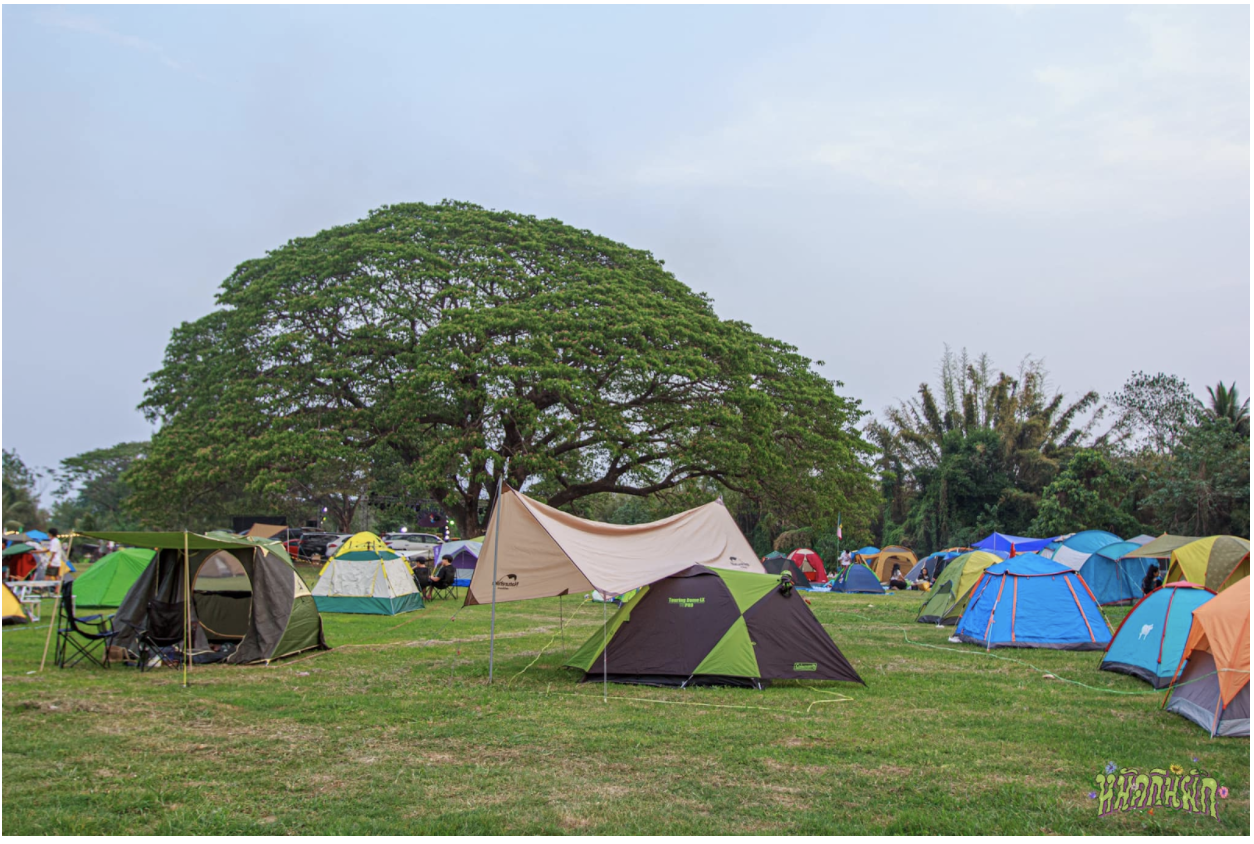
The festival was rescheduled, but permission wasn’t granted when Beer went to see a new location. Instead, they had to dilute the concept to focus more on the camping in nature aspect of the festival rather than the cannabis and bands.
“On the concert side, we selected bands that talk about cannabis with love, such as Srirajah Rockers, JUU4E, Pae Arak, Swisawaard, Jahdub Stido and Srirajah Sound System,” Nut explained. “We also include guest speakers at the event, allowing festival-goers to hear inspiration from people who use cannabis to drive their lives. Some speakers include Ko Dam Koh Tao, Guide Highland, Oof Green Party and Beer Sukhumweed Industries.”
More than 20 brands participated in these events as well most notably Bong Party, Nippan Nirvana, Blue Magic Something Else, Highland, Thailand Green Party, Channel Weed Thailand, Treekings OG, Green Mile, New Atlantis, Pisit Thai & China Tradition Clinic, Squidroll, OCB, OG Rolling Papers, Releaf Mint, King Kangaroo Kush, Mr. Herbman and others.
Nudkinpuk has had to overcome some legal hurdles. This mostly has to do with the taboo prohibition the Kingdom encourages.
“With the legal restrictions unclear, many people aren’t open to cannabis in Thailand yet,” explained Nut. “But the event isn’t directly affected because rather than focusing on cannabis literally, we use the symbolism of vegetables to represent marijuana. True marijuana lovers understand that the focus of this festival is to eat vegetables together.”
Like every active member of Thailand’s cannabis community, Nut and Beer would like to see the government become more open to hearing citizens’ opinions about the benefits of cannabis. They believe that the benefits in medicine, the local economy, and recreational consumption outweigh the prejudice from the older generation that banned weed outright in the Kingdom.
As legal cannabis makes more progress in Thailand, this unique community continues to expand as ganjapreneurs share and work together towards the change they desire.
“What makes this cannabis grow light the best of cannabis grow lights?” It’s probably the single most common question I hear from cultivators, and for good reason. It’s nearly impossible to find reliable information about what makes an LED grow light worth your investment.
Sadly, buying a cannabis grow light that turns out to be beneath your expectations means you’ll probably have to buy a replacement soon after purchase, also meaning you’re going to spend significantly more money than if you’d just bought the right light the first time.
As the creators of the first-ever full spectrum LED grow light—with the patent (No. 10238043) to prove it—my team and I have a unique perspective based on what we’ve learned in building LED grow lights over the years. Below are five of the most important things we’ve discovered since Rami Vardi founded Spectrum King, and we hope they help you to make a good purchase decision next time you’re in the market for a cannabis grow light.
Courtesy of Spectrum King. The Phoenix 680W is built for toughness. It is the only light on the market with IP65 rated wire connections inside of its frame.
Of course, the cannabis grow light itself is just part of the story. Make sure to buy something with a good warranty (Spectrum King’s warranty is five years), and work with a company where the sales team is committed to your success and will keep answering the phone long after you’ve made your purchase.
Diode quality matters—a lot: When you see an LED grow light advertised online that looks good in the ad but is a fraction of the cost of all the brand-name competitors, diode quality is almost certainly the first place they cut corners. You’ll see why after just a couple of runs—your crop quality and yields will start to taper down pretty quickly. The reason is that cheap diodes degrade fast. In just a few months, a low-quality diode will start to degrade to the point where, instead of thinking it’s high noon, your plants feel like it’s dusk all the time. Not ideal for yields or quality.
This is why Spectrum King exclusively uses custom top bin diodes from Tier 1, brand-name suppliers. We love hearing from customers that they’re still rocking one of our first-generation LED grow lights and getting great results. We know that the only way to build a cannabis grow light that lasts is to start with a top bin diode.
Spectrum King’s new Phoenix 680W fixtures feature diodes that are at least a full generation ahead of all competitors and Q90 rated, meaning they are built for over60,000 hours of photon output (roughly seven years of continual, 24-hour-per-day usage) before they degrade beyond 10% of their original output. This is the best way to ensure that your crops are getting maximum benefits from your cannabis grow lights.
Lumens are for humans—photons are for plants: Many companies will tell you about their lumen ratings/output. The dirty secret? Your plants don’t care. Lumens are just a measure of visible light. The actual photon output of the fixture is what your plants care about because it’s what they need to grow. This is why we’ve ensured that the new Phoenix 680W is designed to maximize photon output. When you buy a Phoenix 680W Q90-rated light, rather than L90 rated competitors, you know that the fixture is actually firing close to its initial photon output and maintaining its original spectrum, not just creating visible light that might look good to you but may not even be close to what your plants want and need.
Durability is key: Grows are volatile, intense places where water contact and power issues run rampant. The best cannabis grow lights need to be able to handle the environment. For this reason, always look for cannabis grow lights that are tough enough to take what your grow is going to throw at them. Fixtures should be rated IP65 to ensure that they’re waterproof and are going to survive if they get sprayed by an errant hose.
We also recommend maximum power surge resistance. Our Phoenix 680W is IP65 rated and has industrial grade dual surge immunity, meaning that it can take on a wet environment, and it is the only light on the market that also has both driver and PCB power surge immunity. These LED grow lights respond to power surges in nanoseconds and can handle a surge that’s over double what most circuit breakers tap out at. It’s the best surge protection available, by a long shot.
PPF and PPE matter, and need to be independently tested: PPF is basically a light’s horsepower, and PPE is its level of efficiency. We see low-quality companies playing games with these measures all the time, by using unscrupulous testing methods. Before you buy a cannabis grow light, find out if and how it was tested. Our Phoenix 680W, for example, has a class-leading PPF of 1870 umol/s and a class-leading PPE of 2.75 umol/J.
How do we measure this? We use a series of NVLAP accredited third-party labs to repeatedly test our LED grow lights using a run-of-the-mill, ordinary production fixture. This means that we don’t send a specially tuned or modified fixture to produce the best results, and we subject the lights to a battery of third-party tests, rather than just relying on our own in-house process. A third-party test is the only way to ensure that a cannabis grow light’s PPF and PPE figures are reliable.
Think about weight: A heavy LED grow light will not only be a pain to move, but can also be a drag for your structure. Hanging weight can require reinforcement of the ceiling, depending on your facility. For this reason, the Phoenix 680W weighs just 20 lbs.-per-fixture. Compared to the industry-average 35+ lbs.-per-fixture in its class, this should be a huge weight savings that will make your architects and engineers happy.
Courtesy of Spectrum King. The Phoenix 680W has specially engineered, top-bin diodes designed to provide maximum edge coverage, eliminating typical weak points in a grow.
We hope that these tips help you to make an informed decision next time you’re in the market for an LED grow light. Happy growing!
Want to check out the Spectrum King Phoenix 680W for yourself? Click here.
Last week, Las Vegas-based commercial real estate and development company the Siegel Group announced that it had completed the sale of the Artisan Hotel Boutique to Pro Hospitality Group for $11.9 million.
Alex Rizk, the owner of Phoenix-based Pro Hospitality Group, told the Las Vegas Review-Journal that he is planning a $3 million renovation of the 64-room hotel on Sahara Boulevard at Interstate 15 near the Las Vegas Strip. He said that when the regulations are in place at the state and local level, he will make the Artisan a “cannabis-friendly” destination for tourists to the city.
“This is a lifestyle, boutique hotel,” Rizk said.
The Siegel Group acquired the Artisan Hotel in 2009, “transforming the location into one of the most well-known and visited boutique hotels in Las Vegas,” the company said in a statement about the sale.
“The hotel gained a loyal following among locals, tourists, and boutique enthusiasts who were drawn to the location’s eclectic design and hip, intimate atmosphere,” the company wrote. “The unique hotel contained a bar-lounge with a popular after-hours scene, a restaurant, wedding chapel, and one of the few topless pools in town.”
Cannabis Consumption Lounges Authorized Last Year
Last year, Nevada lawmakers passed legislation that gave the state Cannabis Compliance Board the authority to regulate lounges that allow the onsite consumption of weed products. The board is currently in the process of drafting regulations and local governments will have the authority to enact tighter measures. Officials from Clark County, home to Las Vegas, announced in January that they were keeping track of efforts to regulate cannabis consumption lounges at the state level.
Under the 2016 ballot measure that legalized recreational pot in Nevada, the consumption of cannabis products was only legally permitted in private residences. The legalization of regulated cannabis consumption lounges was intended to give visitors a place to enjoy the benefits of the state’s cannabis reform.
As a state senator in 2017, Clark County Commissioner Tick Segerblom led the first effort in the state legislature to legalize cannabis consumption lounges. Last year, he characterized lounges as a “game changer” for the state’s hospitality businesses.
“Consumption lounges are so perfect for our tourism industry,” Segerblom told the Review-Journal. “The sooner we get out there, the more we’ll be looked upon as a marijuana-friendly city and state.”
New Owner Has Cannabis-Friendly Hotel in Phoenix
Pro Hospitality Group already operates a cannabis-friendly hotel, the Clarendon Hotel and Spa, in its home city of Phoenix, Arizona. The hotel’s website informs potential guests that the property features “cannabis-friendly rooms and amenities” that allow “vaping, dabbing, flower, etc.” The Clarendon also boasts a cannabis consumption lounge that is open to both hotel guests and the general public.
“Since we are currently a split-use hotel with cannabis and non-smoking rooms, we do ask that any smoking take place in your cannabis-friendly room and not in the public areas of the hotel,” the website notes. “Vapes and smokeless products can be used in outdoor public areas, not including the restaurant.”
The Clarendon also notes that it is “working on a cannabis shuttle service to take hotel guests from the hotel to a local dispensary and back again,” according to the website.
The property opened its first cannabis-friendly rooms in July, followed by the rest of the west wing of the hotel for a total of 16 guest rooms that welcome the consumption of cannabis products. The Clarendon is also accepting reservations for a limited number of rooms on the cannabis-friendly lodging booking site Bud and Breakfast.
The New Jersey adult-use cannabis program is off to a halting start, with the launch of sales hamstrung by repeated delays.
Now a top lawmaker in the Garden State wants answers, and is working hard to get them through the work of a committee.
Nick Scutari, the president of the New Jersey State Senate, said Tuesday that he is forming a special legislative committee to look into why legal pot sales still haven’t begun in the state.
“These delays are totally unacceptable,” Scutari said in a statement. “We need to get the legal marijuana market up and running in New Jersey. This has become a failure to follow through on the public mandate and to meet the expectations for new businesses and consumers.”
In a press release, Scutari’s office said he wants “explanations on the repeated hold-ups in expanding medical dispensaries to sell recreational marijuana and in the opening of retail facilities for adult-use cannabis,” as well as to find out “what can be done to meet the demands and reduce the costs of medical marijuana.”
In 2020, New Jersey voters overwhelmingly approved an amendment to legalize recreational pot use for adults aged 21 and older. However, there has still not been anything put in place when it comes to actual movement on legalization.
Last year, Scutari helped author and pass legislation designed to implement the adult-use program.
But the new cannabis program has been beset by repeated delays since that bill was passed, including a missed deadline in September to begin accepting applications from would-be cannabis cultivators, manufacturers and testing labs.
Last month, after New Jersey regulators missed a deadline for recreational pot sales to begin, Democratic Governor Phil Murphy indicated that the launch was coming soon.
“If I had to predict, we are within weeks—I would hope in March—you would see implicit movement on the medical dispensaries, some of them being able to sell recreational,” Murphy said during an interview on a radio show. “They’ve got to prove they’ve got the supply for their medical customers. I hope shortly thereafter, the standalone recreational marijuana operators.”
But that plan hit a snag last week, when the New Jersey Cannabis Regulatory Commission declined to award licenses to eight medical cannabis dispensaries hoping to sell adult-use cannabis.
Jeff Brown, the executive director of the commission, said that the panel would like to receive additional information from those medicinal dispensaries regarding how they will have enough product to serve both sets of customers.
“We may not be 100% there today, but I assure you we will get there,” Brown said last week. “We have a few things to address and when we address them I’m happy to return to this body with a further update.”
In the meantime, Scutari wants to get to the bottom of the delays. His office said Tuesday that his plan is to “form a bi-partisan special committee” and then ask “the Assembly if they want to participate to make it a joint panel of legislators from both houses.”
“The oversight hearings will include an accounting from CRC officials and input from those operating cannabis businesses or waiting to get licensed, as well as others involved in the legal marijuana market,” the press release from Scutari’s office explained.
“The voters approved adult-use recreational marijuana in 2020 and the implementing legislation was enacted more than a year ago. The Cannabis Regulatory Commission missed its deadline for allowing [medical cannabis dispensaries] to sell to the recreational market. The licensing of growers, distributors and retailers to serve the adult-use market has been plagued with repeated delays. Senator Scutari said the committee’s membership and scheduling will be worked out soon.”
A bill to legalize recreational pot-use for adults, and expand medical cannabis treatment to children, is going before a Tennessee legislative committee this week.
The legislation, known as the “Free All Cannabis for Tennesseans Act,” would authorize “the possession and transport of marijuana or marijuana concentrate, in permitted amounts, for adults who are at least 21 years of age (adults).”
The bill would also create a process for “a parent, guardian, or conservator to administer a marijuana product, excluding any combustible product, to a minor, over whom the parent, guardian, or conservator has legal authority.”
Under the terms of the bill, the state’s Department of Health would be required to provide an online form “that, upon execution by a parent, guardian, or conservator, after consultation with a healthcare practitioner, creates a rebuttable presumption that the minor has a medical condition for which the use of marijuana is treatment for any such condition.”
“My constituents are regularly asking why are we dragging our feet on this,” said state House Rep. Bob Freeman, a Democrat from Nashville who is one of the bill’s sponsors, as quoted by local news outlet WSMV.
If it were to become law, the bill would permit adults aged 21 and older to cultivate as many as 12 cannabis plants for personal use. According to local television station WZTV, “adults would be allowed to possess and carry under 60 grams of marijuana or 15 grams of marijuana concentrate,” and would be “allowed to transfer to one another no more than the same amount.”
It would also establish a framework for the state to set up a regulated adult-use cannabis market. According to the bill’s summary, pot sales would be “subject to the state and local sales and use tax, as well as an additional 15% marijuana tax,” while also enabling local governments to “impose a local sales tax on such sales, not to exceed 5% of the price of the products sold, of which proceeds shall be distributed identical to the existing local sales and use tax.”
The proceeds of the 15% sales tax would be allocated as follows: 50% to the state Department of Agriculture, which will implement and administer the adult-use program; 20% to the state Department of Safety, which would go toward “training and education of law enforcement agencies and officers with regard to state cannabis-related laws … the support of law enforcement officers injured in the line of duty … and the support of families of law enforcement officer killed in the line of duty”; 20% would go toward the State Employee Legacy Pension Stabilization Reserve Trust; five percent toward the state Department of Education “for education programs for elementary and secondary students regarding age restrictions for marijuana use and potential health and legal risks for improper or underage use of marijuana”; and another five percent to the state Department of Revenue “for administrative costs incurred pursuant to this Act, including collection and enforcement costs.”
“Let’s talk about the financial benefits this could have for our state. What could we fund differently? What could we fund better? We got the fiscal note back, and it’s hundreds of millions of dollars every year. States that have passed this before its billions of dollars in additional state revenue,” Freeman said, as quoted by WSMV.
It isn’t the only cannabis-related bill to be taken up by the Tennessee legislature this year.
In January, a pair of lawmakers in the state introduced legislation that would direct counties in Tennessee to essentially conduct a public opinion poll on this year’s general election ballot that would gauge voters’ support for both recreational and medical cannabis.
If the quandaries of figuring out how to legally certify a cannabis market in both the U.S. and Canada have been filled with drama, the issues in Europe are going to be hardly less daunting.
In Germany right now, the entire debate is essentially being put in deep freeze with various excuses, including the ongoing pandemic, if not the war in Ukraine, despite the ongoing chatter about its inevitability.
Right across the Schengen border, the Dutch, the inventors of the eponymous coffeeshop, are now going through their own “growing” pains when it comes to creating a legal, certified, national market.
How Holland Is Trying To Certify Its National Industry
The coffeeshops that operate in the largest cities will still have their own uncertified cultivation. However, with the exception of these stores, the Dutch government established a national cultivation bid to supply ten cities with regulated cannabis. This is a trial program, which will also be studied to see how this entire idea works as well as its impact on the general population — including its ability to keep cannabis out of the hands of children and teenagers.
The trial is expected to kick off next year. At that point, the cannabis grown under the trial will be shipped to these establishments and every coffeeshop that is located in a municipality which is participating will be obligated to buy their cannabis from the government-certified program. If they do not, they will lose their permit. This does not mean that the coffeeshops will be limited to just one cultivator.
Ten growers, who won the right to participate in a cultivation bid, will supply this market — although at this point there are only seven who have qualified to do so. Growers must prove that they do not have a “criminal” past, and that they can secure their cultivation facilities.
The standardization of the weed biz however does not make the owners of coffeeshops in these locations very enthusiastic. Many people doubt that the cannabis they will get from these cultivators is up to the quality that they previously produced — and will almost certainly limit the selection of the cannabis on offer.
That issue has not been taken into consideration by the government. When the trial begins, coffeeshops in these municipalities will only have six weeks to sell through the self-cultivated cannabis they might have. Then they will be required to purchase from the government program.
Many shop owners wish that they were given more choice. Indeed, many are suggesting that there is a voluntary opt in rather than a mandatory requirement.
The Dutch government, however, is not giving them that option.
For that reason, many coffeeshops fear that they will then lose customers to the existing black market.
Growing Pains
The Dutch government initiated a national trial program to attempt to control the entire supply chain of cannabis for recreational purposes in late 2019. Since then, a legal tender was created to select the cultivators allowed to grow such cannabis.
The trial program is intended to last for four years.
The process has been, rather predictably, frustrated with multiple delays including NIMBY protests from municipalities who objected to such cultivation taking place in their districts and even a slap suit by a large Canadian producer.
During the experiment, researchers will monitor the entire process. Based on the results of the trial, the government will then decide how to effectively implement policy for the long term.
Presently Dutch coffeeshops grow their own cannabis, and as a result, the entire process exists in a grey area of the law. This will not come to an end once the national trial starts. Establishments in the larger cities will still grow their own.
This trial is also set against a backdrop of increasing pressure on the existing coffeeshops, which includes perennial threats from government authorities to ban tourists from being able to drop into such establishments.
Will Other European Countries Follow the Dutch?
There is a great deal of attention on how the Dutch trial will proceed outside of Holland. This is particularly true in Germany which is now wrestling with how to make its own recreational system function. While Germany is not likely to allow establishments like coffeeshops to operate, at least at first, they are likely to set up a similar system of controlled cultivation — if they do not mandate that the original three medical growers are the initial providers of the same.
Regardless, it is clear that Europe is on the cusp of finally coming to terms with the fact that cannabis is not going to disappear.
Now the question is how to create a regulated, legal market that can protect consumers and bring in much needed tax income.
The Dutch, as usual, are in the forefront of this discussion.
I promised you two this month, and skating in just under the buzzer, here we are getting back up to speed. It’s almost alarming how many of these exist at this point — I have smoked a LOT on all y’all’s behalf, but I’m certainly not complaining. Simply pointing it out because I finally made a spreadsheet with all the picks I’ve made since the first edition to make sure I’m not repeating anything, and it is LONG! If you’ve been riding with me for awhile now thank you for your continued support, I have a hell of a good time putting this together for ya’. If you’re just joining us, the next graph will get you up to speed.
As we get into 4/20 season there’s always a ton of new (frankly bullshit) on the market, but you know how we do over at the Cop List, we see through the smoke & mirrors. We’re not playing into your gimmicks here, we’re smackin’ the bologna away like it just made a joke about Will’s wife (I will not be over that for months) and bringing you the real. Keep an eye out for a special edition next month around the holiday, and as always, let me know on Twitter anything I missed, or what’s got you excited!
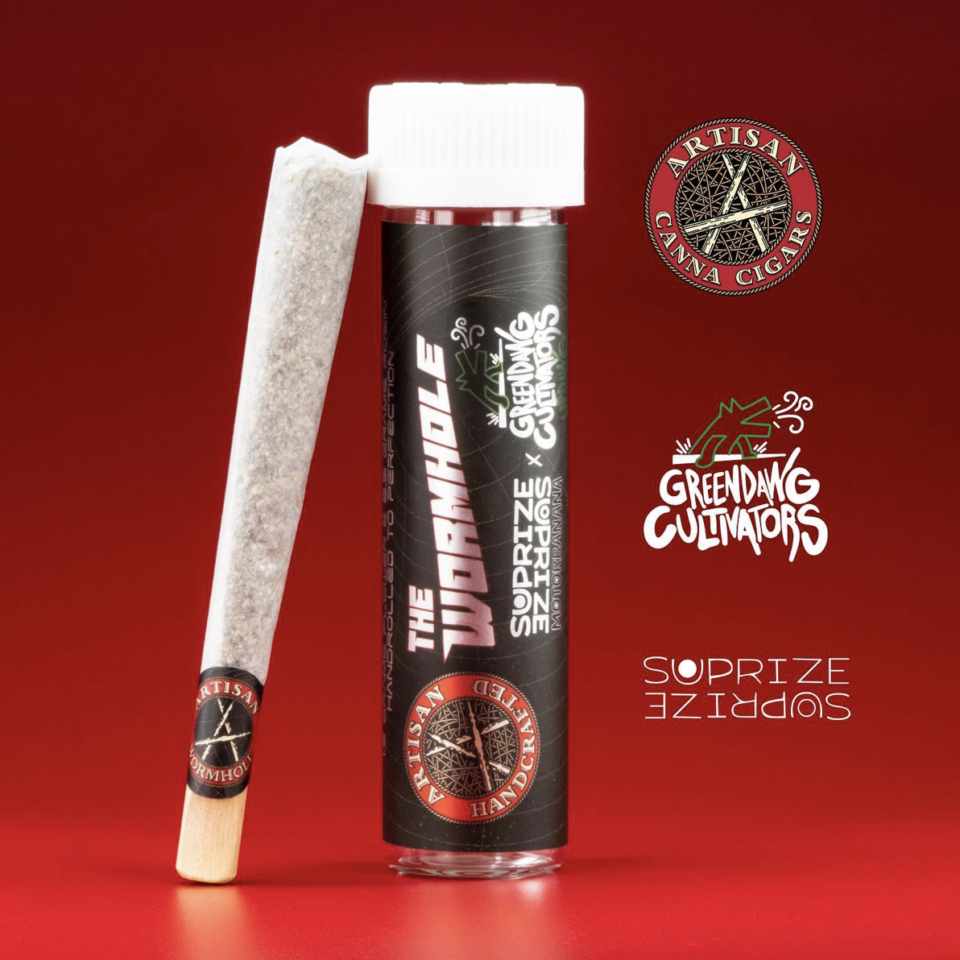
Y’all know I like joints, and even more when they have the wood tips, but y’all, I think I found the holy trinity. A wood-tipped, hash-cored, true artisan handroll you’ll actually enjoy smoking. Handcrafted by Artisan Canna Cigars, the guys who have been making Thai-stick and Cannagar style hand rolls for ages, have now come with something a bit more laid back, but with all the stopping power of their previous products. Available in two sizes, their big dogs are filled with 2.25 grams of flower with a 0.75 gram snake of rosin in the center, and boy do the collabs they put together SMASH. My first taste was made with Green Dawg’s Dawg Breath flower, and Hash Assassins Gas Tanker #5 rosin, and it was a great experience, but I’ve also seen Blueprint, Turtle Pie Co., Surprise Surprise, and others on their labels, so you know they’re always coming with the pedal to the metal.
If you’re a fan of rosin you likely heard about these guys recent big win at Ego Clash, but for all the rest of us not navel gazing on all the industry competitions, allow me to introduce you to some new firepower coming out of the East Coast. Grown outside in Maine, which is not as easy of a climate as that we experience in California, the Helios team are true east coast aficionados, and they make a damn good product. I first linked with these guys on a trip to the Bay, when Groovy invited me to this crazy fancy house party, and I immediately vibed with the newly introduced family business, and I’ve got to say, for a guy who’s not easily impressed by hash, these guys are making something special.
Ladies & Gents, we’re officially back in Z season. I know y’all love Candy, and Gas, and all the purple you can get your hands on, but let me remind you that variety is the spice of life, and NOTHING tastes quite as good as Zkittles. Not only that, but you know Doja Pak always comes correct with the packs he puts his name on, so if you don’t trust my tastebuds, maybe the name value will sway you. This new Z cross comes from a collaboration with John Doe Supply Co., which means it was grown in living soil in Humboldt County, and boy does it show in the end product. These buds are beyond vibrant. With a flavor that’s perfect for anytime, and a high that’s just right for exploring creative efforts, this is currently my favorite daytime smoke, and that’s saying something as I’ve been on the hunt for uppers lately.
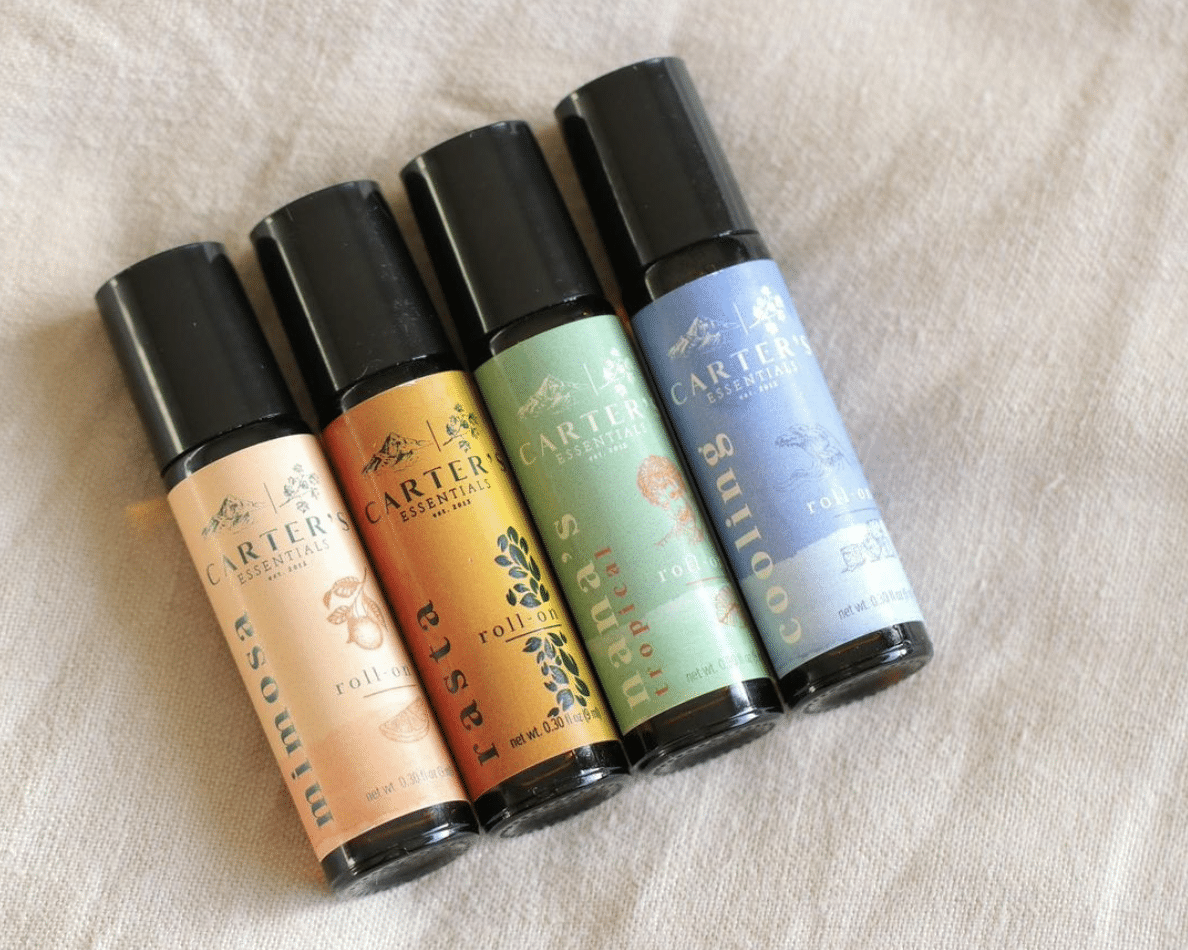
While I (fortunately) don’t typically have a huge need for topicals, I think it’s important that even if I’m not always the target market, that I create space for, and spread the good word about, brands doing things the right way, despite the category. While I’m not the most ache-y, I’m well aware the need for effective topicals, not to mention how large market segment is becoming, and how many lousy ‘CBD’ products are flooding internet shops. Well friends, if you’re in pain and looking for real relief, there’s pretty much only one brand I recommend to my people, and that’s Carter’s Aromatherapy Designs. You see, there are few people as dedicated, and deliberate, as the wizards at C.A.D., and Carter specifically. This company isn’t simply trying to make money in the burgeoning industry, it’s here to provide real medicine to the community, and frankly they’re never settling for the status quo. Their most recent product, their Gemstone Roll-On, is a testament to that fact. Of course Carter couldn’t settle for a regular ball — homie had to bring you something natural and heady. It’s no wonder these guys have a few Cannabis Cups in their cabinet; they’re next level.
The long awaited debut of the collaborative effort between two of the sweetest members of the cannabis community is finally here. Launching through select dispensary partners, Terps Flower is the solution-oriented brainchild of Bentley Rolling & Doc Ray Genetics, and boy is it pungent. Created as a way to both empower legacy farmers and preserve the heritage terp profiles the market has seemed to devalue as of late, the brand focuses on providing NorCal farmers with a living wage for their work, despite the larger market’s current race to the bottom. Their initial offering does a great job of expressing the differences this plant is capable of producing, with loud aromas and even stronger effects. While I know sungrown gets a lot of slack, it’s hard to argue with the results of mother nature. Pair that vibrant nose potential with a real selection of curated flavors and you’ve got a recipe for success every time!
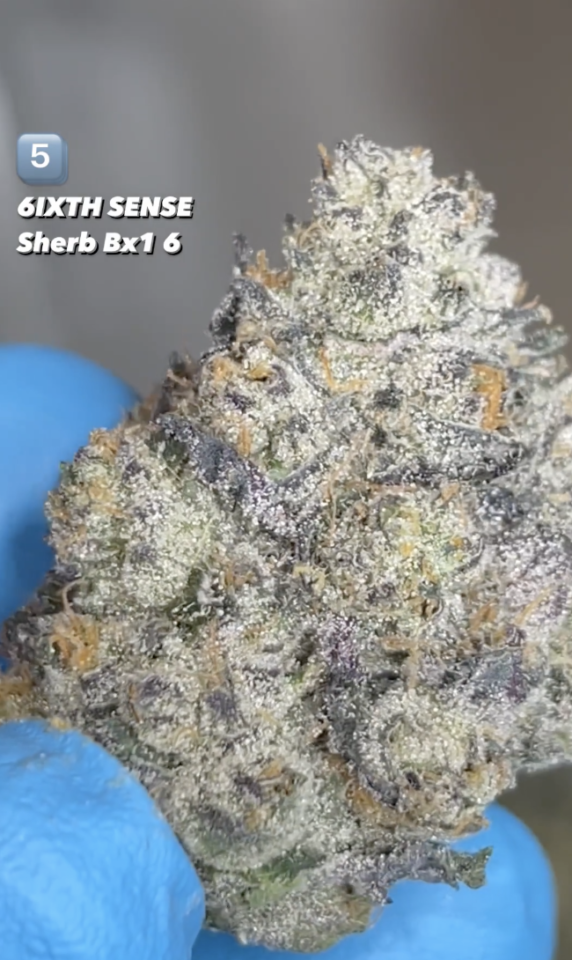
If you’re a regular reader of my stuff, or of High Times in general, you’ve undoubtedly heard me sing Fig Farms praises before. After all, they are without question one of my favorite brands. Simply put, this is one of the best cultivators I’ve ever seen (not a title I throw around lightly), and the subject of my initial Brand Spotlight (which evolved into the monthly magazine feature), so anytime I hear from Keith or Mike is a good day in my book. During my last link up with Mike he slipped me a bit of their new 6ixth Sense and let me just say, for a shop that’s constantly producing market leaders, even they have outdone themselves with this one. This was one of the most gorgeous buds I’ve ever had the pleasure of consuming, and they’re not wrong with the title — this shit really will have you seeing in the dark.
Now I’ve been to a lot of dispensaries in my day, and I hope my guys don’t get too mad at me for saying this, but what 3C has built downtown really feels like something special. Designed with the best elements of bars, delis, and lounges in mind, their new shop isn’t the type of place you’re going to want to rush out of. In fact, I’d go so far as to say it’s one of the first shops I’ve been in that I actually feel like I’d want to hang out in, kind of the way record stores or skate shops felt back in the day. With finished wood countertops and plenty of room to wait your turn without feeling crowded, perhaps my favorite part of the dispensary is the grow featured in the middle of the shop, and visible from just about every angle in the building. It reminds me of the best elements of the old 215 shopping experience, paired with the high-end feel of a wine bar, and while that may seem like a strange juxtaposition, I’d recommend stopping in to see just how quickly you’ll feel ‘at home’.
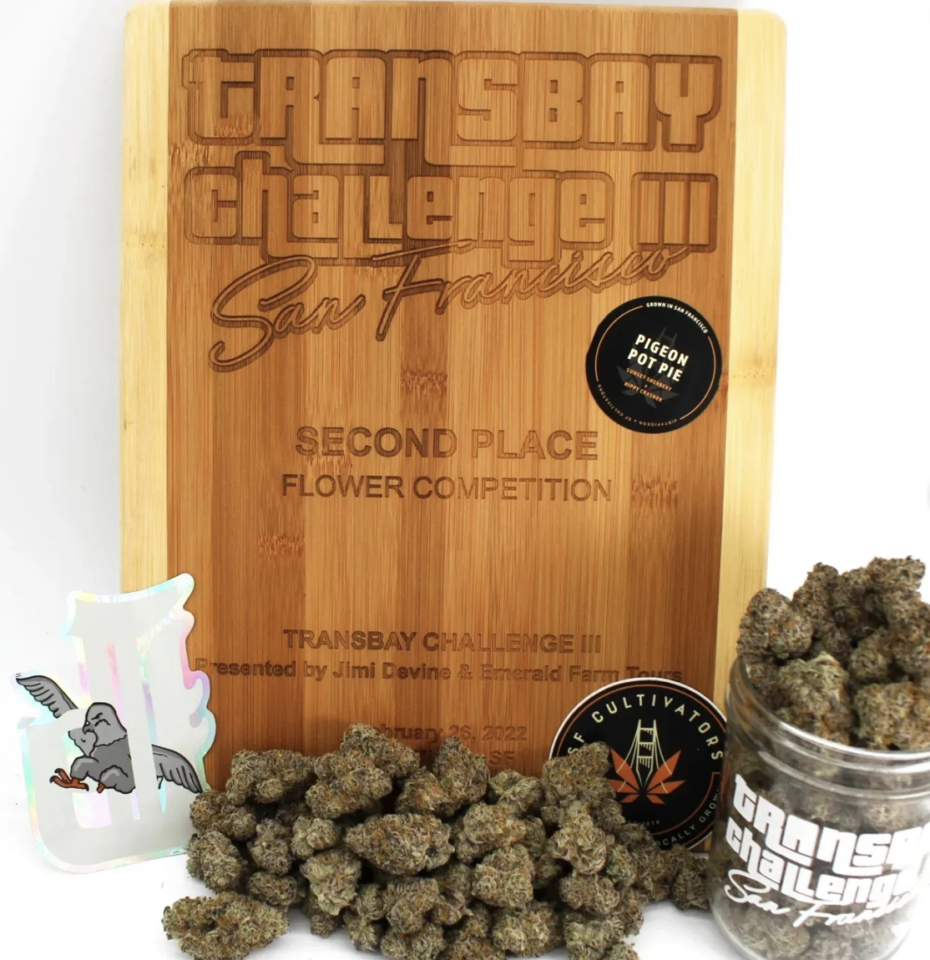
At the most recent Trans Bay Challenge, although it lost the big award to the early frontrunner Pink Certz, there was one cultivar in the competition that really stood out to me. Unlike anything else at the event, SF Cultivators’ Pigeon Pot Pie had one of the most unique noses I’ve smelt in ages. Although it’s hard to describe exactly what I was tasting, PPP is a cross of Hippy Crasher and Sunset Sherb, and it’s like this pheno brings out the strangest traits in each of its parents. While the look and smoke of this cultivar was exceptional, it’s the aroma I can’t stop thinking about, wishing I could properly decipher this aromatic code. The only real way to understand is to experience it for yourself, and while Pink Certz is a great smoke, this was without question the standout entry to me. I believe it finished second overall in Jimi’s highly competitive competition though, so you don’t just have to take my word for it, the other judges also loved it!
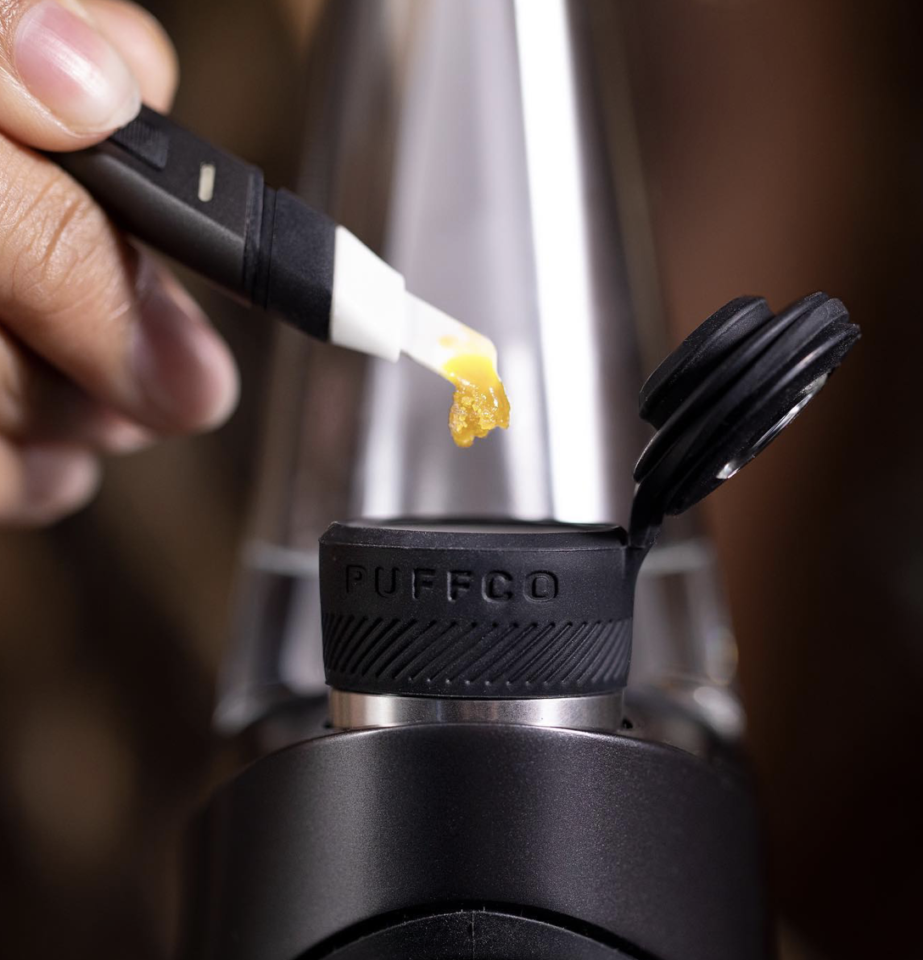
This is probably the oldest thing on this list, but it’s one I’m fairly certain never got its shine here, so I’m throwing it down for those that don’t know. If you haven’t used Puffco’s Hot Knife before, dabbing is harder than it needs to be. If, like me, you’ve ever been annoyed trying to get your globs off into your banger, this product is for you. The easiest way to explain it is it’s a dab tool that heats up so your chosen product slides off and into your consumption device, rather than needing to push it off with another tool (or your finger!). What’s more, this isn’t just some peak attachment. With maybe the exception of slurpers bc I’m not sure it’s a good idea to touch the tool to the hot glass like that (although it looks ceramic so it SHOULD be fine, but don’t kill the messenger if it’s not), the Hot Knife will work with bangers just as well as your Peak or Pen device, and it will make the concentrate consumption experience far easier, and with less mess!
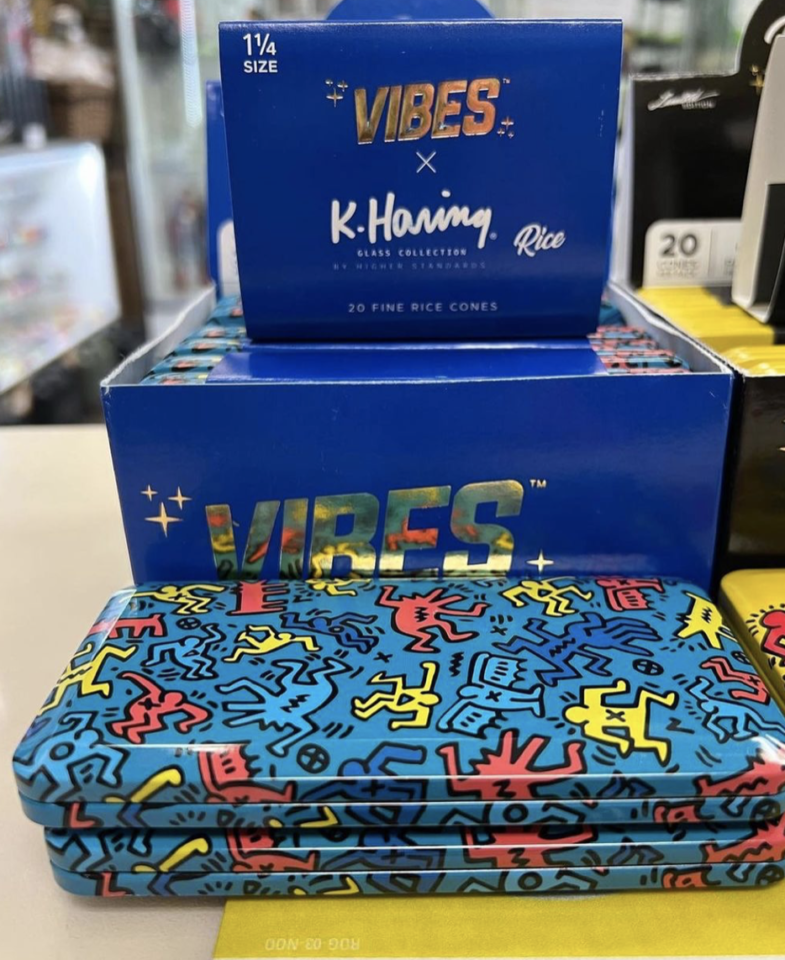
I’m a Haring fanboy, so basically anything that comes out with his art is going to be a hit for me, but the new collab between Vibes and the Keith Haring Foundation has not only made rolling easier on the go, it also doubles as a dope lil art piece I can carry around with me all day. I’ve included the past collaboration with the Keith Haring Foundation and Greenlane in one of my first editions, and it seems the hits keep coming. Now while definitely a pretty case on its own, there’s more to this collaboration. The container opens up into a rolling tray and storage container, with 10 Vibes cones ready to fill. While the cones won’t last forever, this tin is certainly going to be one you’re going to want to keep around for pre-packing seshes.